Heard the term “pocket community” while searching in Independence Heights and wondered what it really means? If you want a close-in Houston lifestyle with less yard work and a friendly neighborhood feel, these small, design-coordinated clusters can be a smart fit. In this guide, you’ll learn what pocket communities are, how they get built in Houston, what to expect as a buyer, and how to evaluate one confidently in Independence Heights. Let’s dive in.
Pocket community basics
What it is
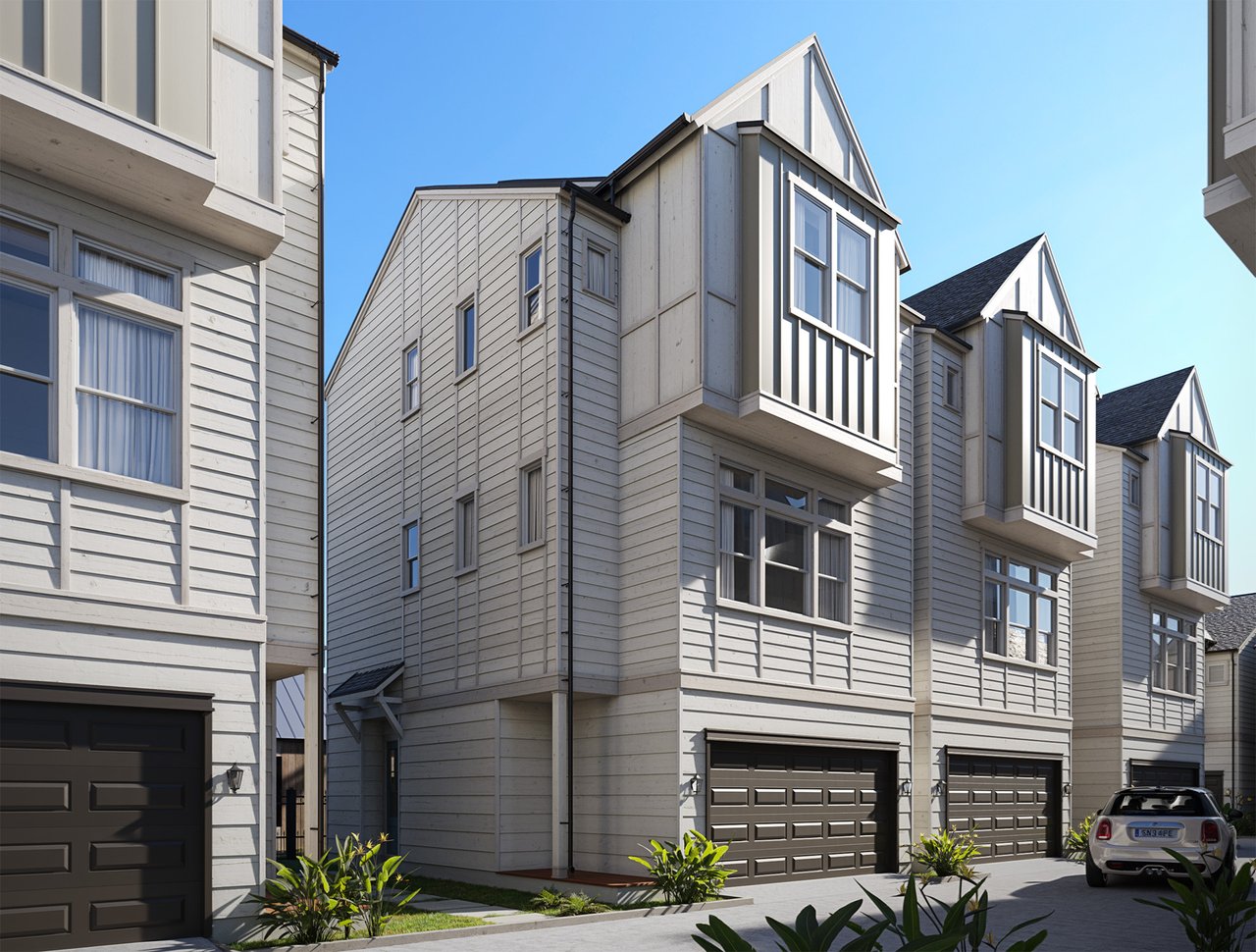
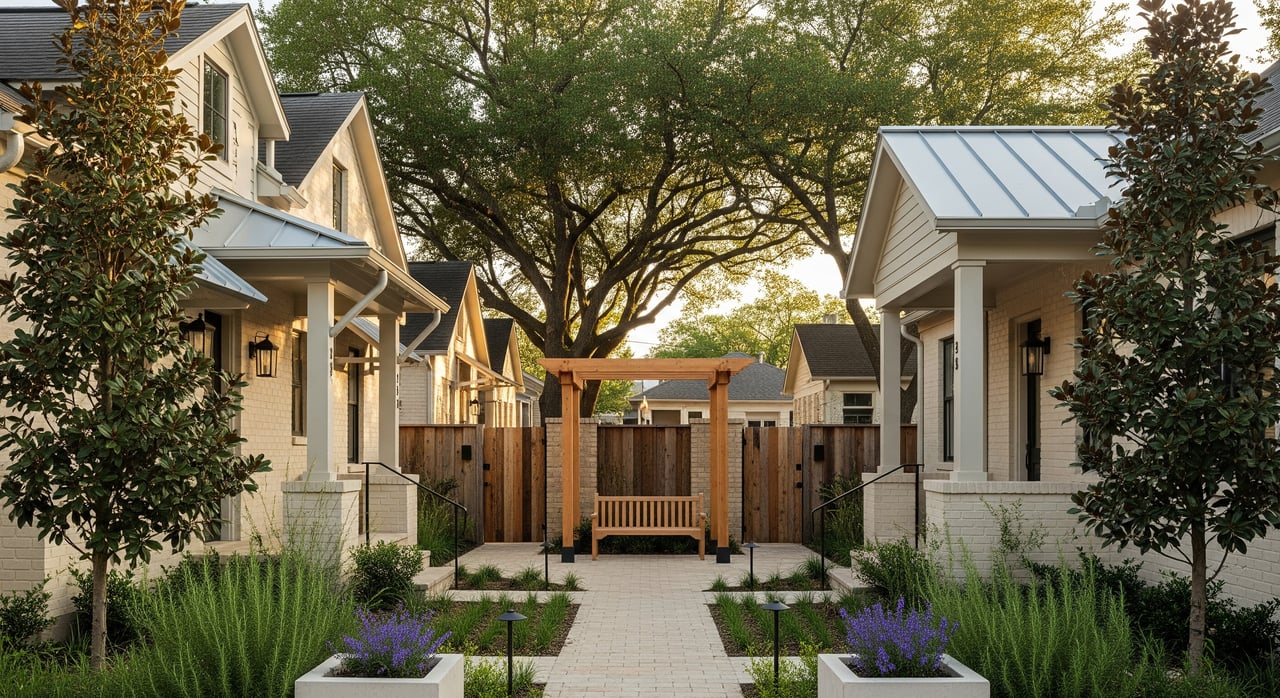
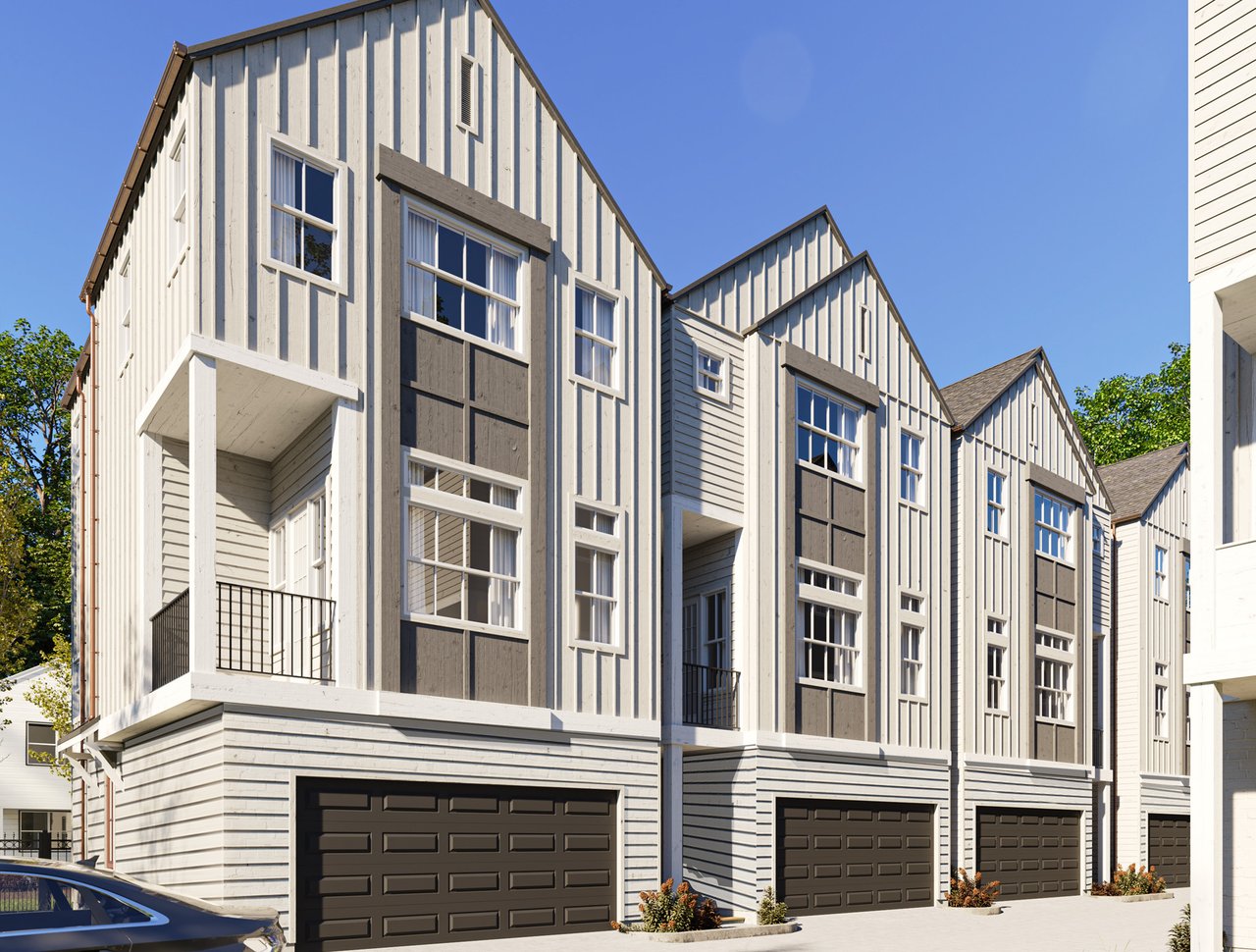
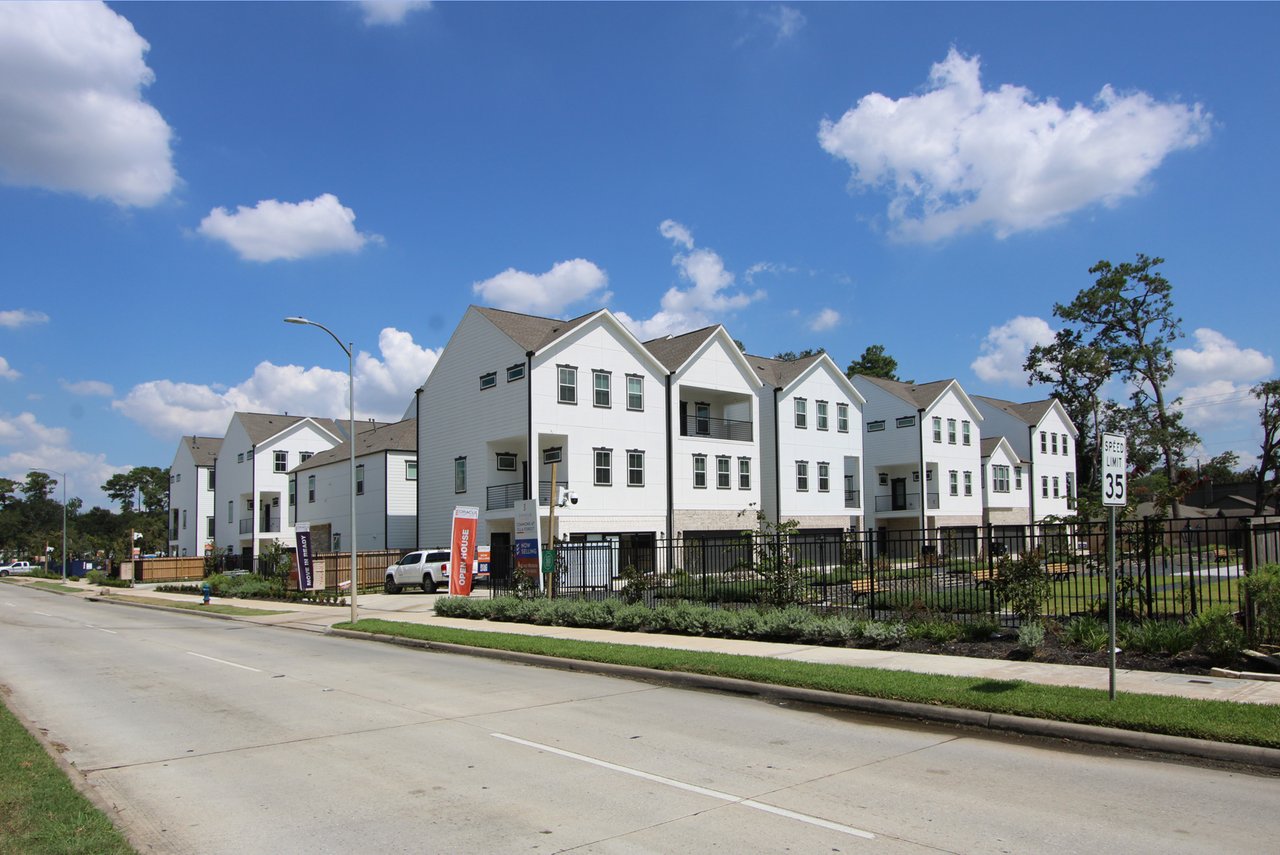
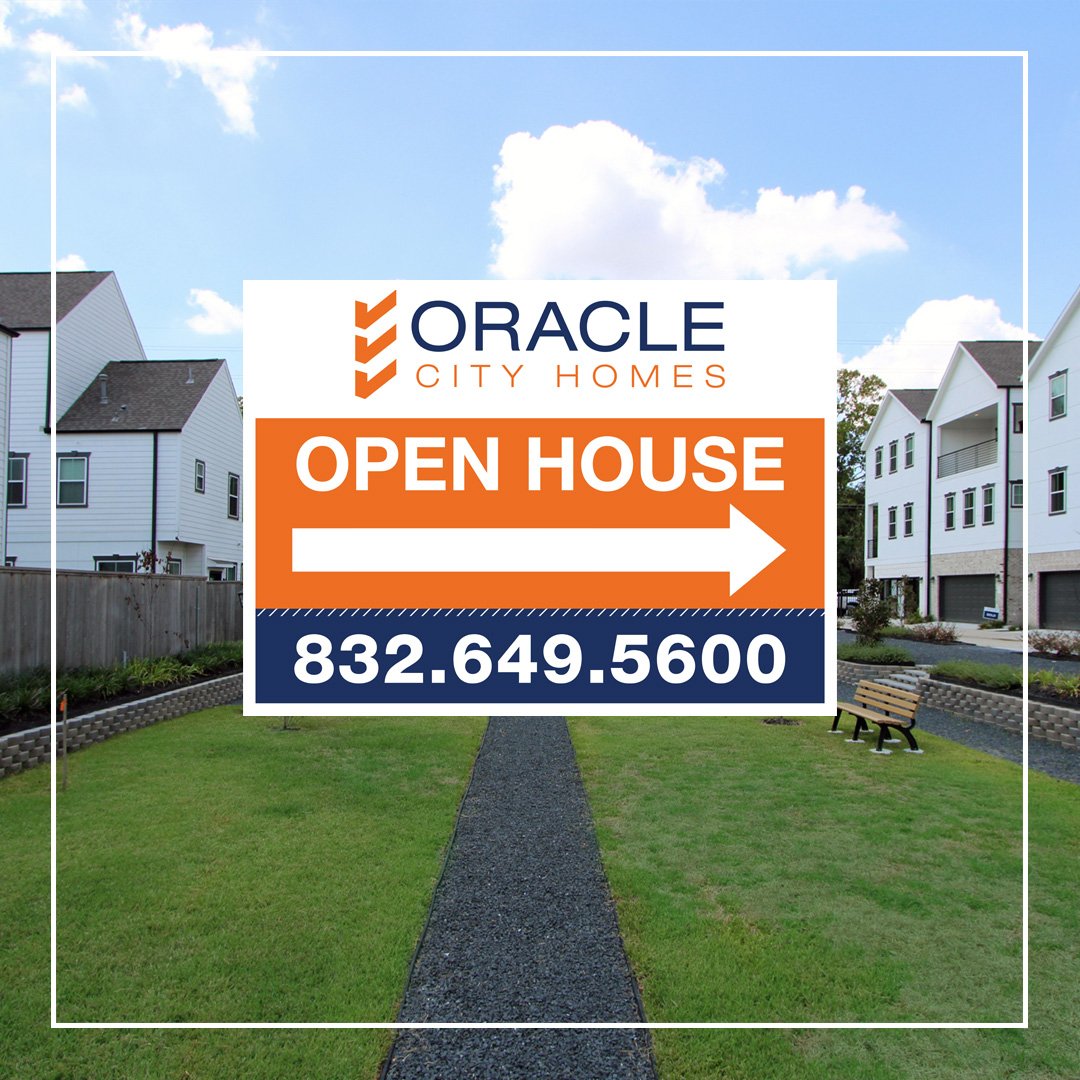
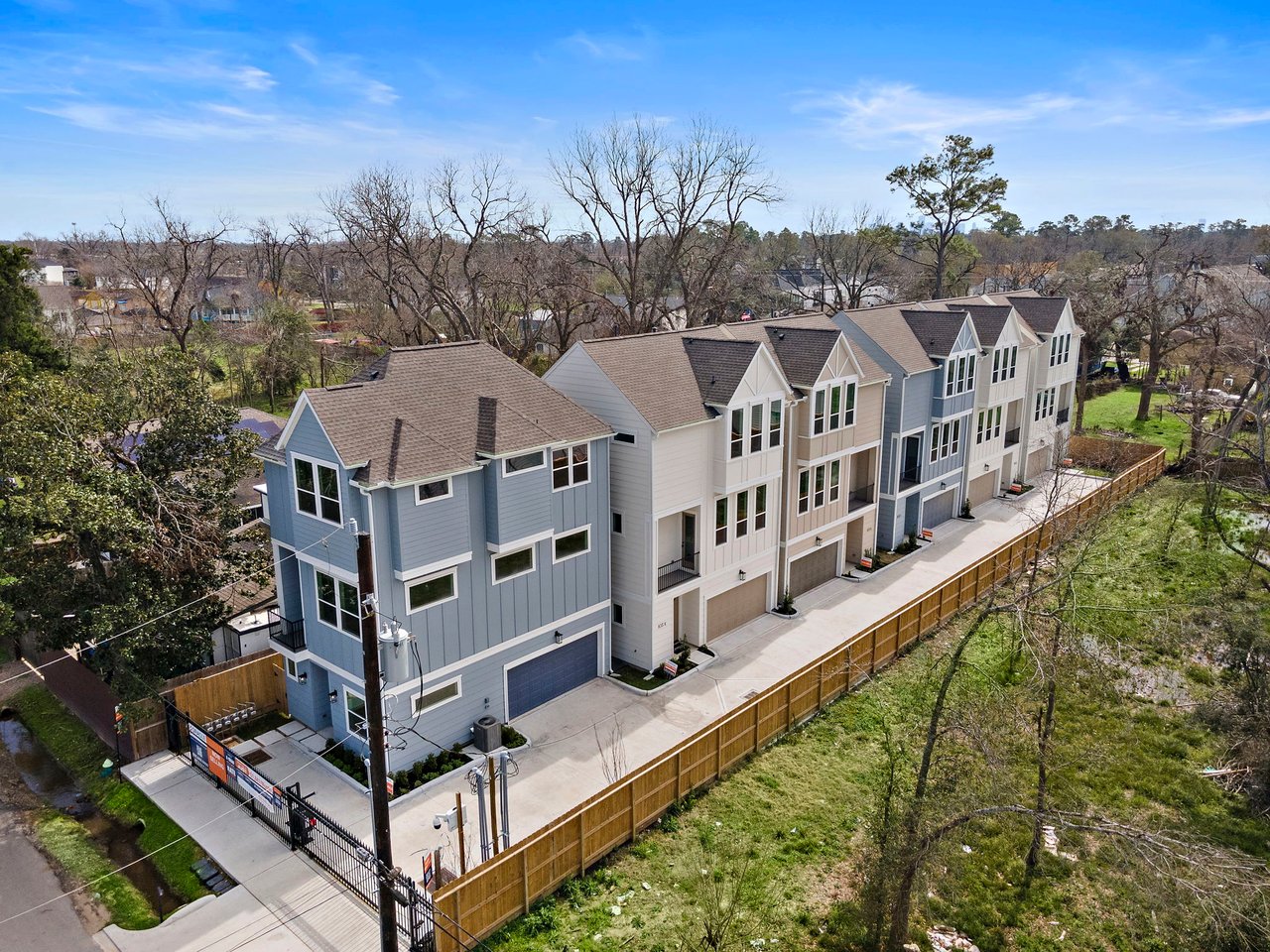
A pocket community is a small, planned cluster of homes designed to encourage connection, walkability, and a cohesive look. You usually see a handful to a few dozen homes, often with consistent architecture, smaller lots or attached homes, and shared green space like a pocket park or courtyard. Many include an HOA or similar setup to maintain common areas and protect design standards.
This approach aligns with broader “missing middle” housing ideas you’ll see in national planning conversations. For background, explore the American Planning Association’s resources on small-scale infill and missing middle housing in their planning resources.
Why it is growing in central Houston
Demand for close-in living and low-maintenance ownership has risen in cities across the country, including Houston. Because Houston does not use conventional land-use zoning, developers often shape projects through private deed restrictions, recorded plats, and design guidelines. That flexibility allows small, limited-edition infill communities to fit into established neighborhoods while meeting city requirements. For context on Houston’s neighborhood change, see Kinder Institute research on Houston neighborhoods.
How pocket communities are built in Houston
The practical steps
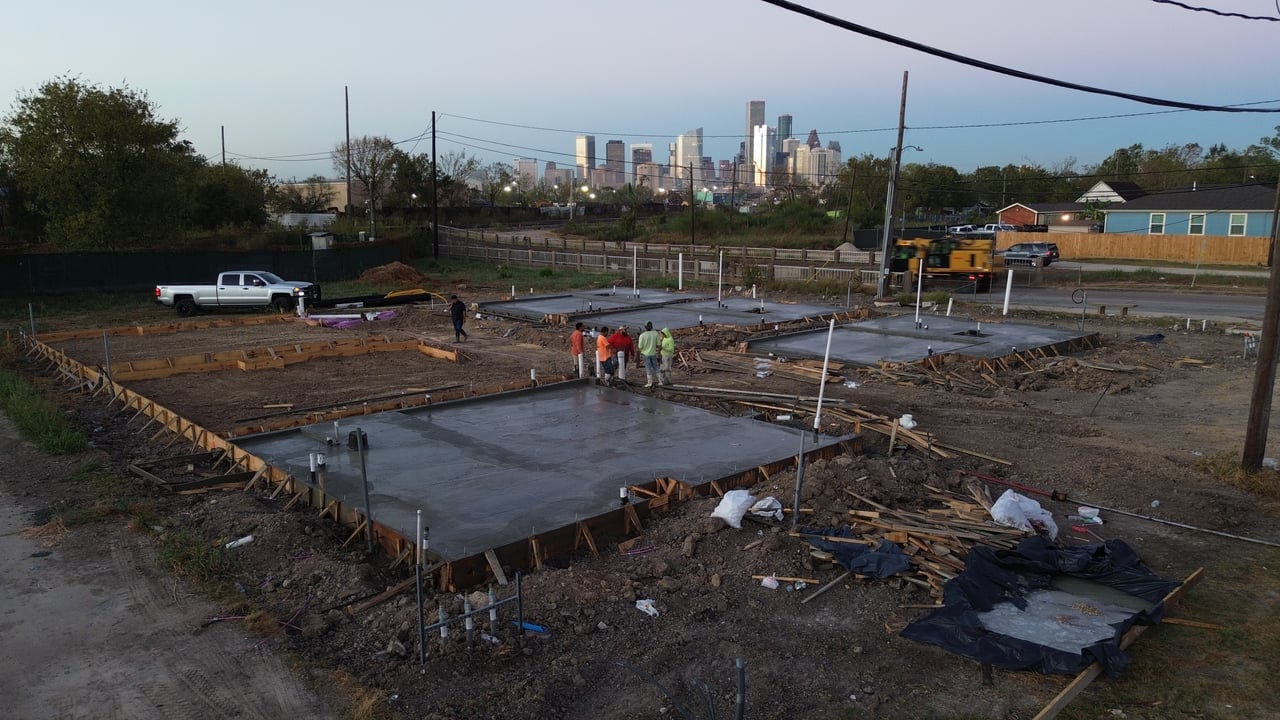
- Land: A developer acquires one or several adjacent lots within an established neighborhood.
- Platting and subdivision: The land is replatted into smaller lots or a recorded subdivision with covenants through the City’s processes.
- Design controls: The developer records design guidelines and restrictions to keep architecture cohesive and clarify maintenance and use rules.
- Infrastructure and permits: Utilities, drainage, sidewalks, and building permits follow the City of Houston’s regulations. You can review the City’s requirements at the City of Houston Planning & Development.
- Sales and HOA: Homes are marketed as small or “limited” communities, and an HOA or similar body manages common elements.
What is different in Houston
Houston’s development system relies heavily on plats and deed restrictions rather than conventional zoning. Private covenants, plus the City’s platting, permitting, and drainage standards, guide what gets built. Floodplain, fire access, and utility capacity can shape the final plan and timeline.
What you can expect as a buyer
Typical design and features
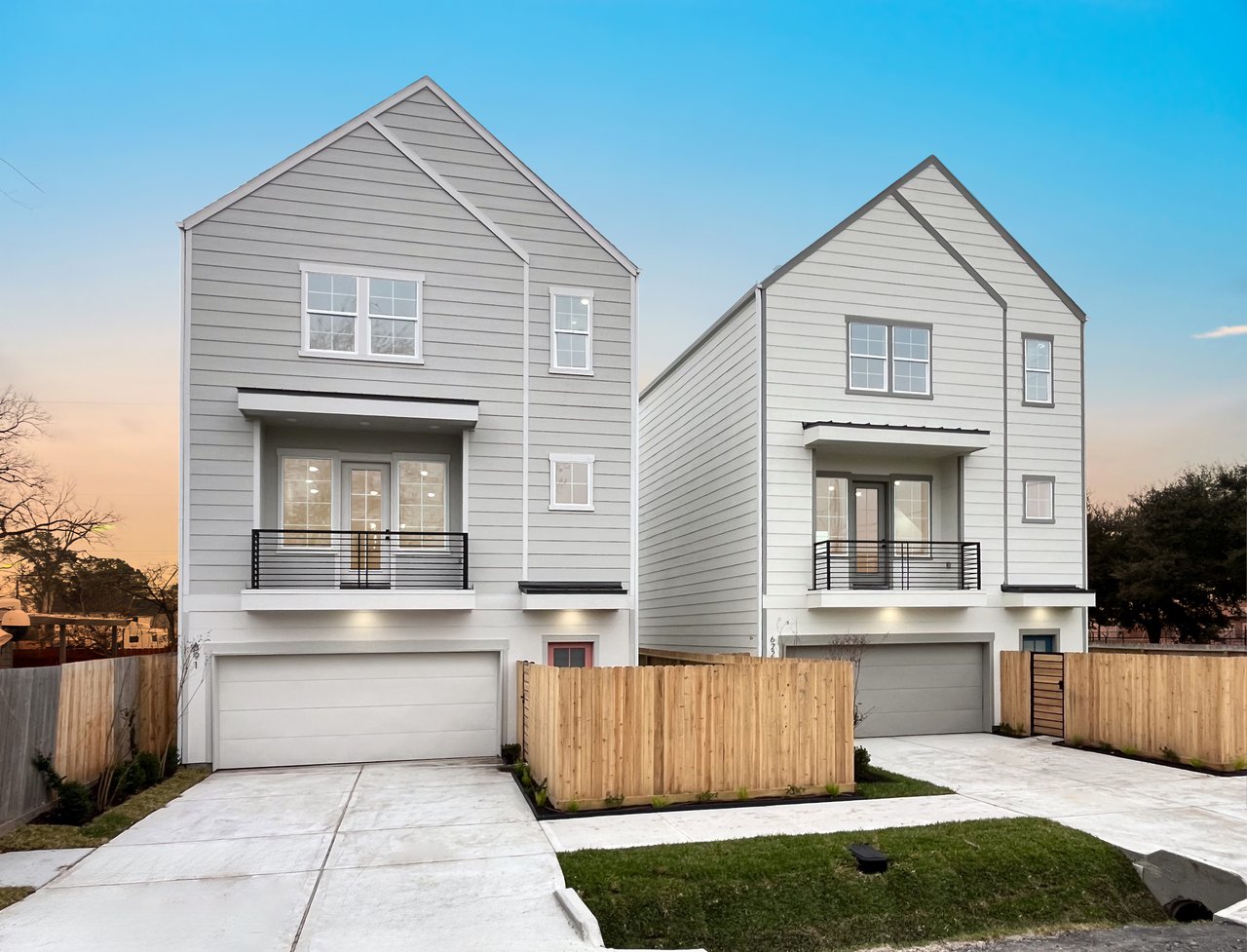
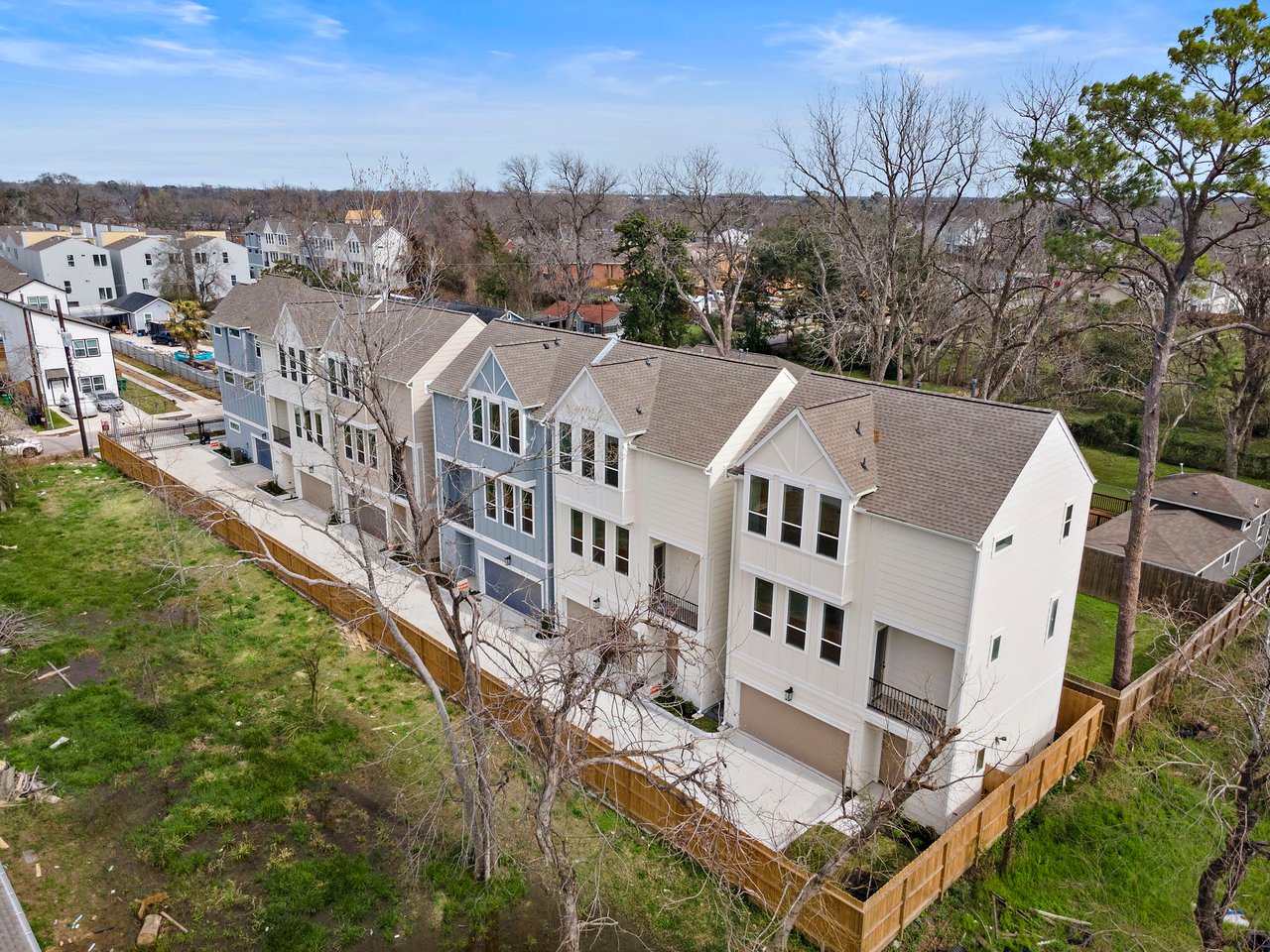
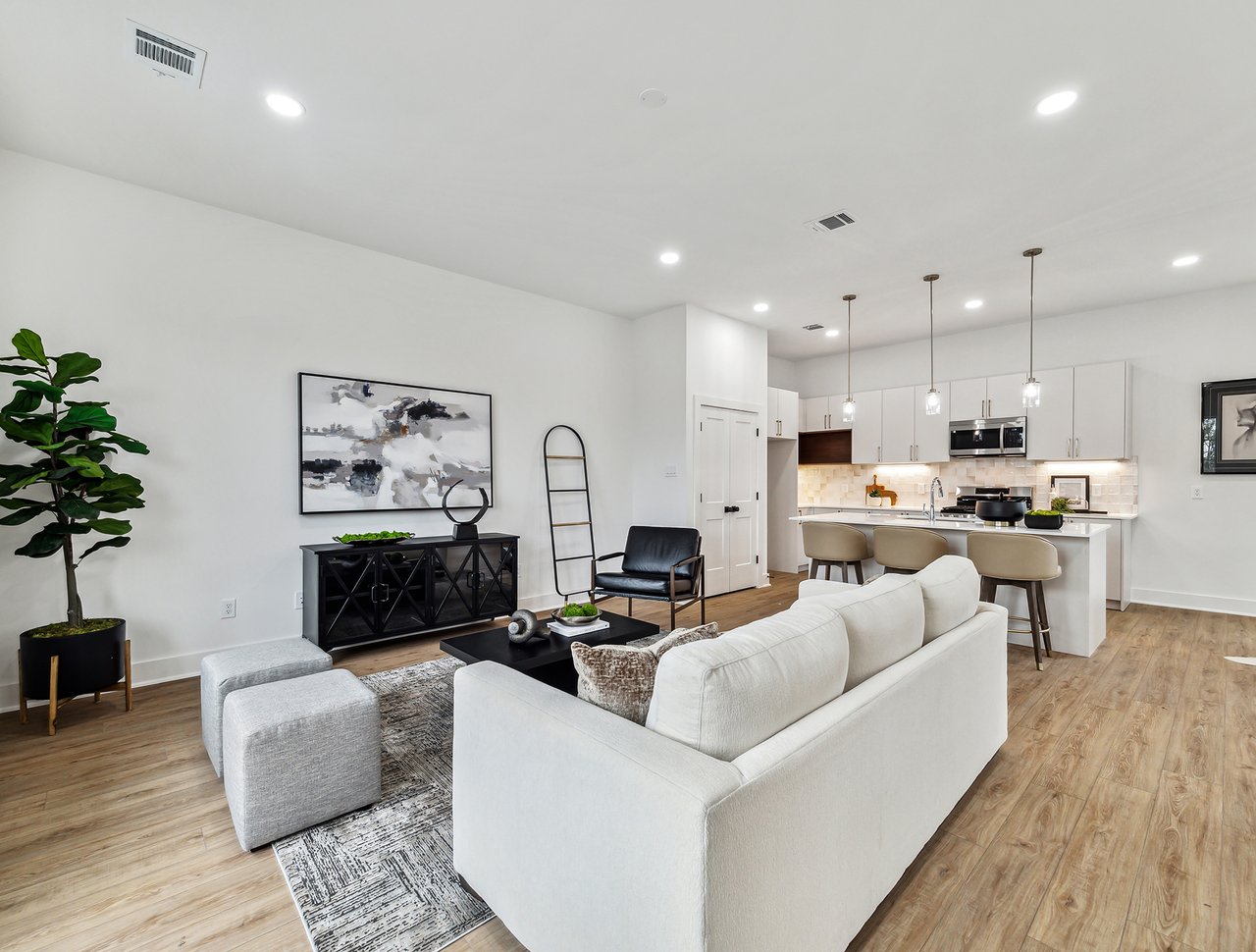
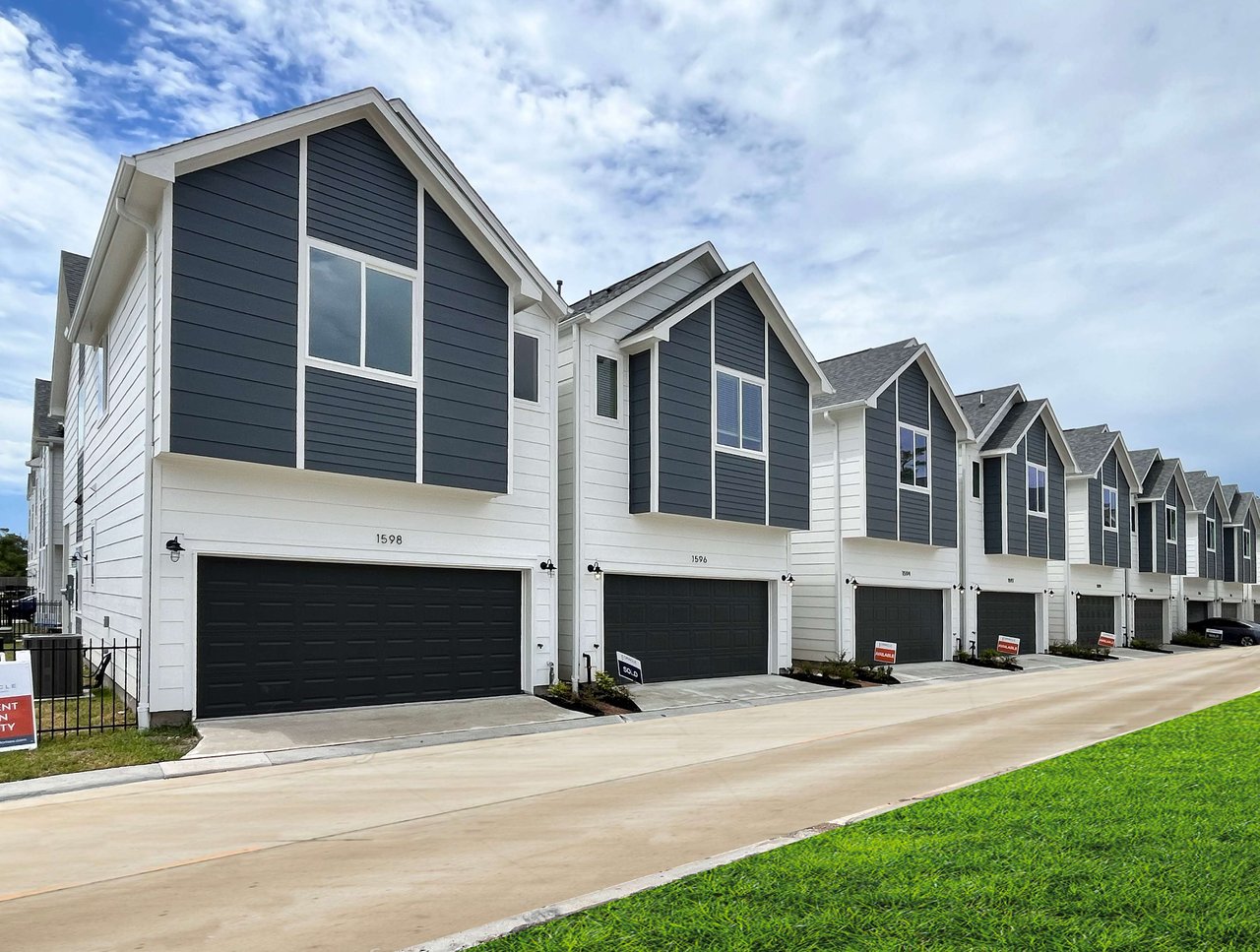
- Smaller footprints with 2 to 3 stories, front porches or balconies, and a focus on shared or visible green spaces.
- Pedestrian-friendly layout with sidewalks and landscaped paths.
- Limited guest parking or alley access for services.
- HOA or maintenance programs for common landscaping and upkeep.
Benefits
- Proximity to central amenities, transit, and job centers.
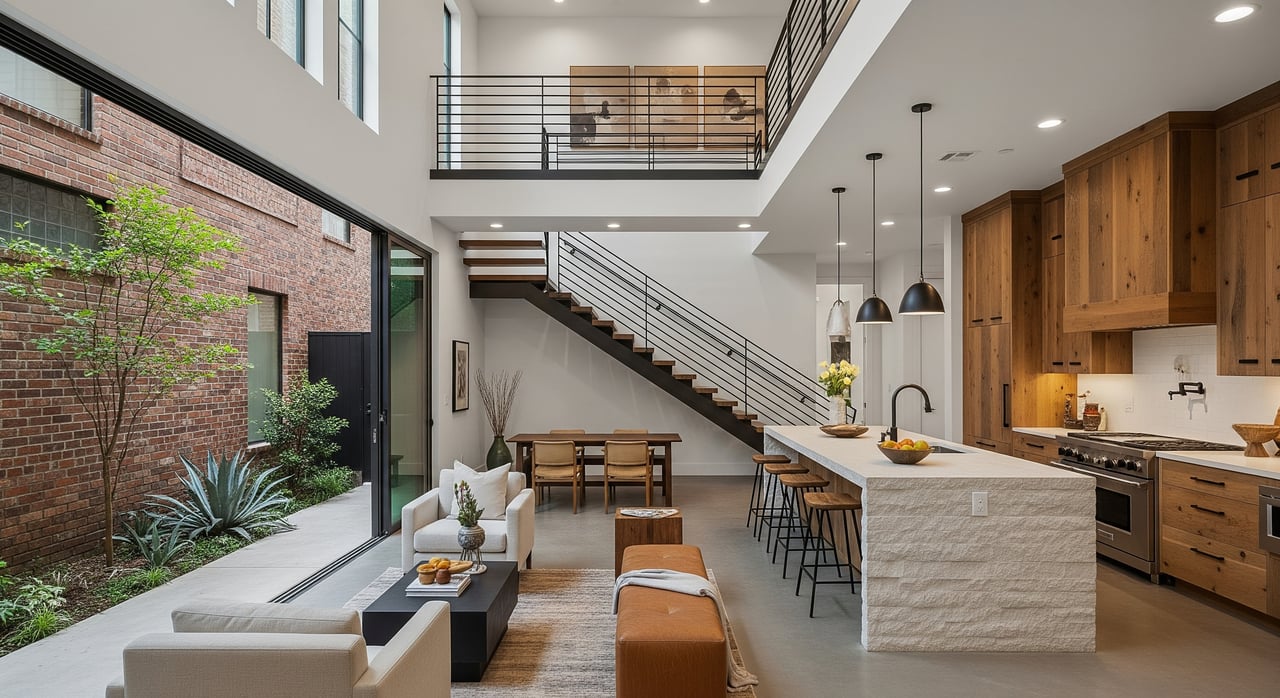
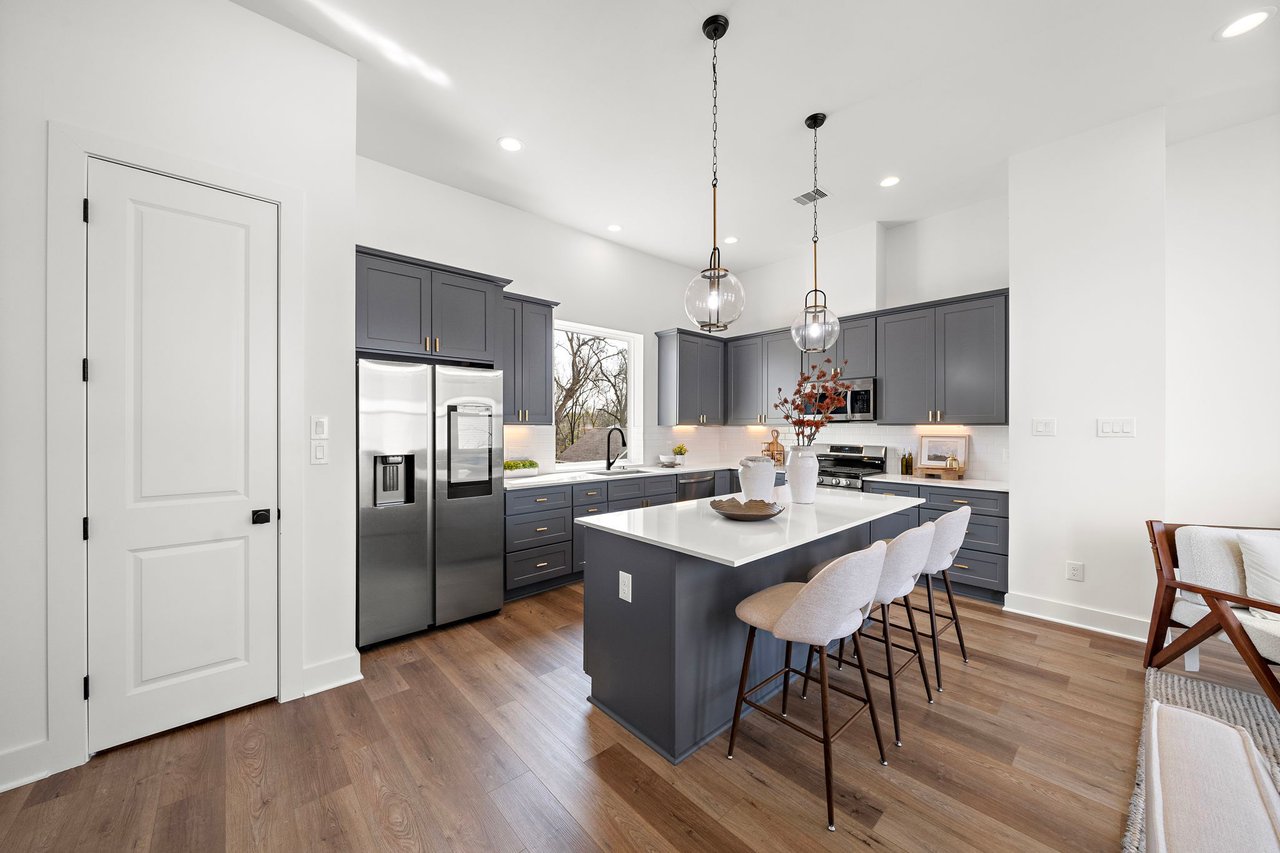
- Less yard work and more lock-and-leave convenience.
- A cohesive look protected by design rules.
- A small-neighborhood feel that can make it easier to meet neighbors.
Tradeoffs
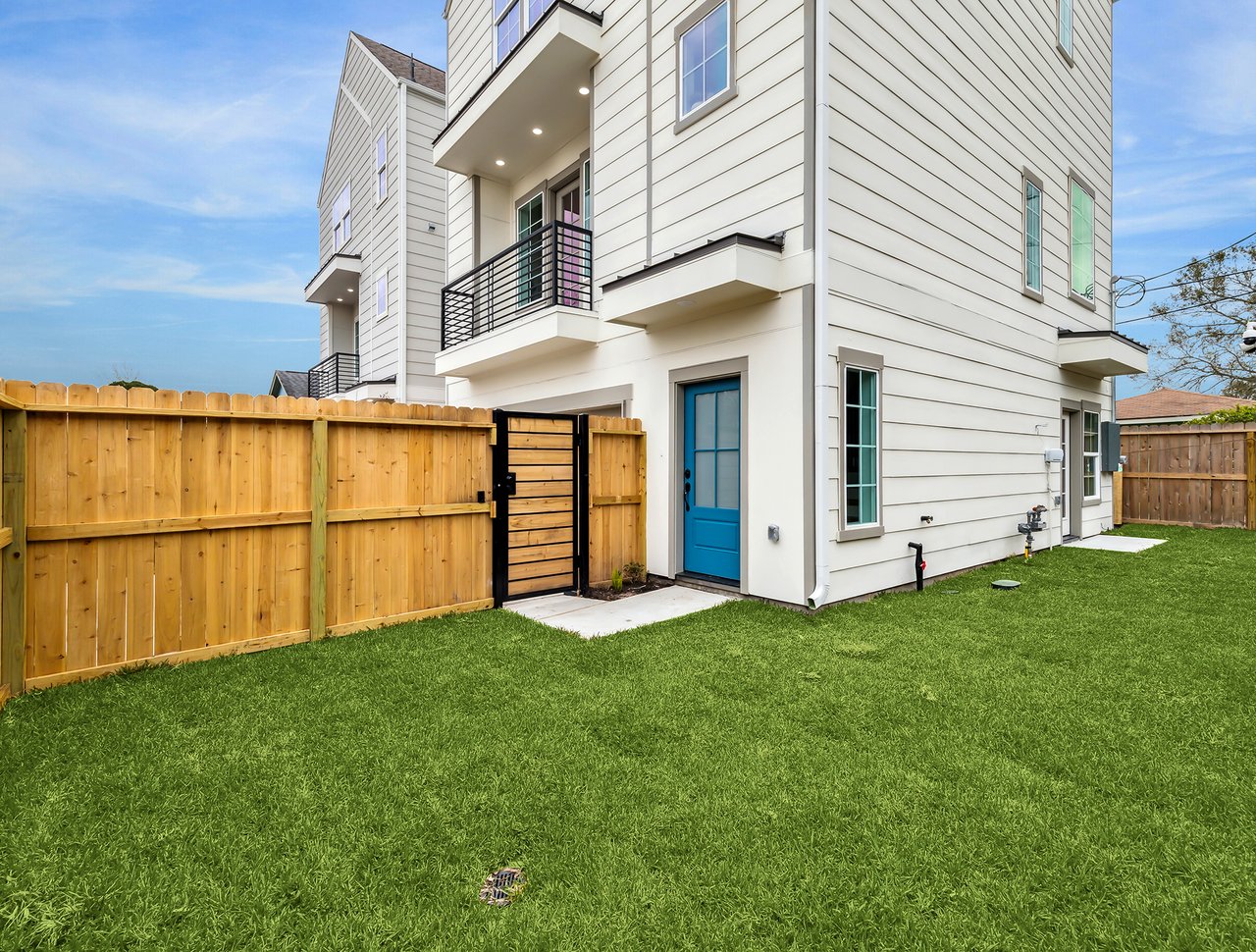
- Smaller private outdoor areas compared with larger suburban lots.
- Guest parking may be limited.
- HOA dues and rules apply and may restrict exterior changes or rentals.
- Resale depends on demand for small-lot, close-in living.
- Flood and drainage considerations require due diligence in parts of central Houston.
Independence Heights snapshot
Local context and history
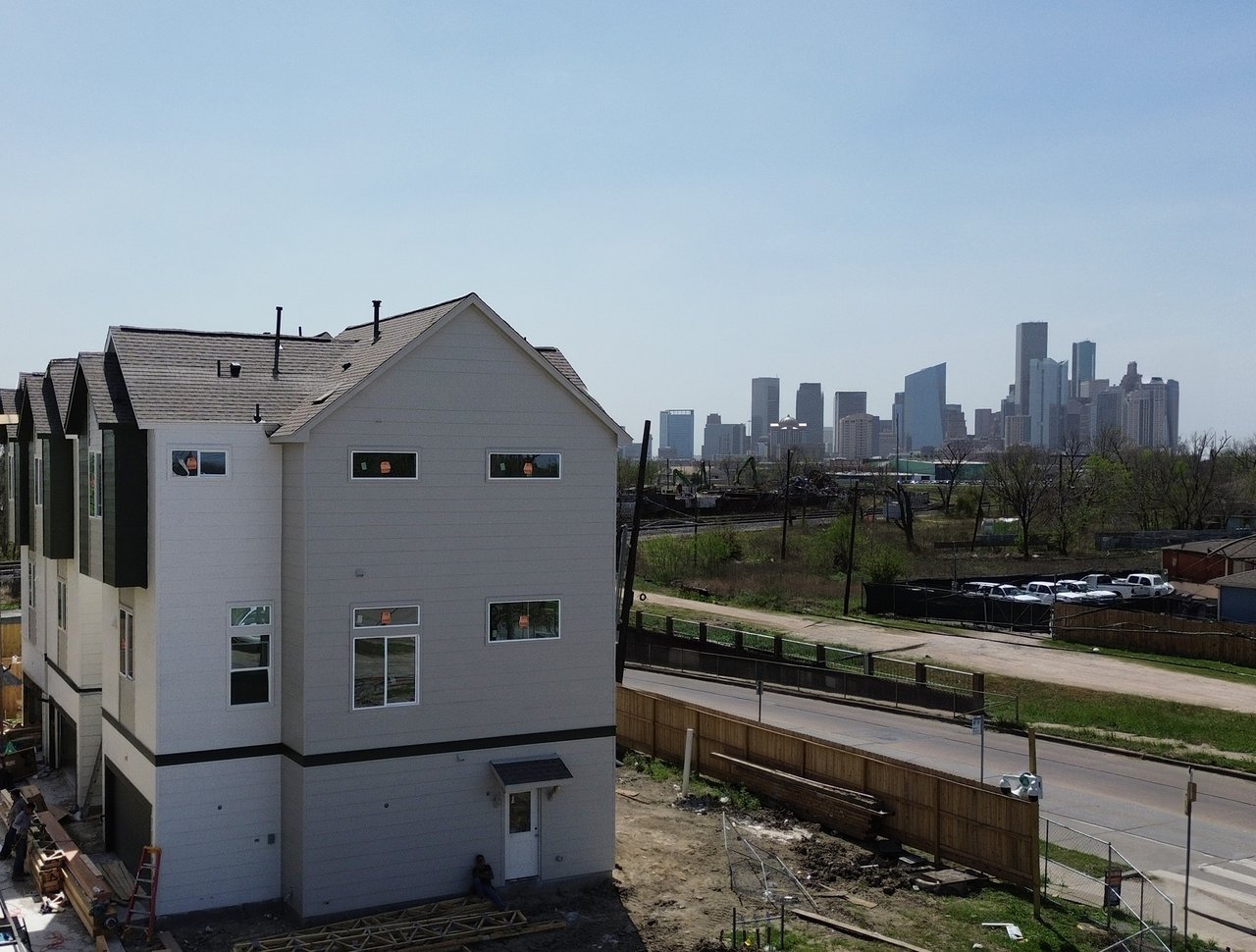
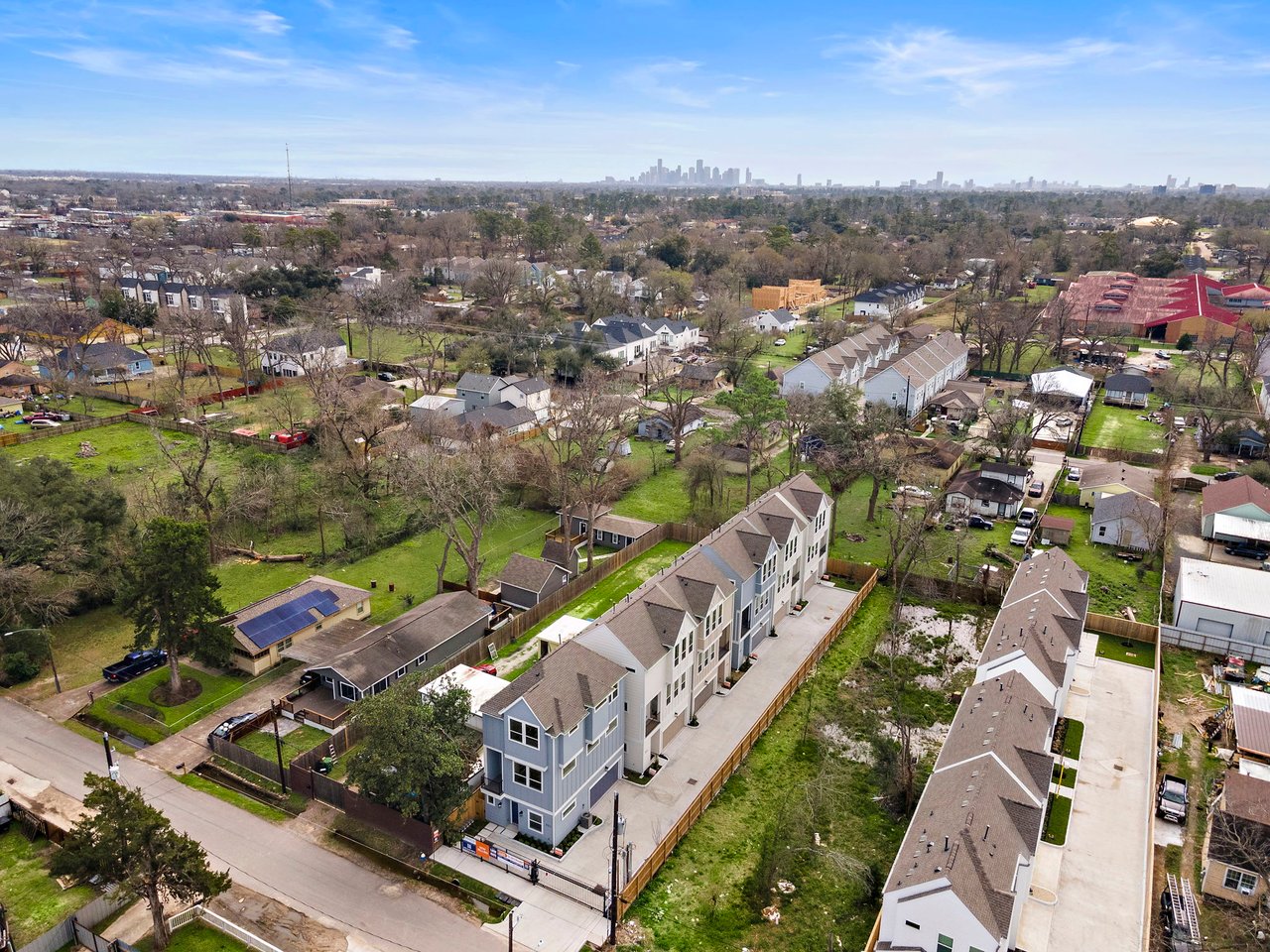
Independence Heights is a historic neighborhood in north-central Houston within Harris County and the City of Houston. To understand its unique background, read the Texas State Historical Association’s historical overview of Independence Heights. Today, you will see a mix of preserved homes and new infill construction as demand grows for central locations.
Opportunities and constraints to note
- Deed restrictions and preservation: Some areas may have historic goals or design expectations. Check recorded covenants for any property you consider.
- Flood and drainage: Verify parcel-specific flood status using the FEMA Flood Map Service Center and local guidance from the Harris County Flood Control District. Ask for elevation certificates when appropriate.
- Infrastructure and permitting: New small-lot projects must meet City standards for access, utilities, and drainage. Find regulations through City of Houston Planning & Development.
- Services and access: Many buyers value proximity to bus routes, parks, and neighborhood services. Confirm current transit options and school assignments directly with the appropriate agencies.
How limited-edition infill appears here
In Independence Heights, developers often reconfigure one or a few larger lots into a small group of coordinated homes. Marketing typically highlights location, limited availability, and a low-maintenance lifestyle. These homes often appeal to buyers who prefer proximity and design quality over a large private yard.
How to evaluate a pocket community
Use this checklist to compare options confidently:
- Ownership type: Confirm if you are buying fee-simple land with the home or a condominium interest. The Consumer Financial Protection Bureau guide to ownership types explains how ownership can affect financing and closing.
- Covenants and design rules: Review the recorded HOA covenants and guidelines for exterior changes, rentals, and maintenance duties.
- HOA health and fees: Ask for budgets, reserve details, and a summary of what dues cover.
- Plat and lot records: Pull the recorded plat and any replat documents from the Harris County Clerk public records to verify lot lines and easements.
- Flood status: Check FEMA maps via the FEMA Flood Map Service Center and request elevation certificates if needed. Review local data with the Harris County Flood Control District.
- Permit history: Confirm the home’s permits and inspections through the City’s processes at City of Houston Planning & Development.
- Parking and access: Confirm garage capacity, guest parking, alley access, and any restrictions on street parking.
- Market context: Ask your agent for current Independence Heights comparables for both pocket communities and nearby standard single-family homes.
Pocket community vs. condo vs. traditional home
- Pocket community: Often fee-simple small lots with shared open space and an HOA. You own the home and lot, and you follow design rules that keep the look consistent.
- Condominium: You own the unit’s interior while sharing ownership of land and common elements. Lending and insurance can differ from fee-simple homes, so verify requirements early.
- Traditional single-family on a larger lot: More private yard and autonomy, with more personal maintenance and typically fewer shared rules.
If you like walkability, design cohesion, and less yard work, a pocket community may fit you better than a larger-lot home. If you want maximum exterior flexibility and a bigger private yard, a traditional lot may be a better match.
Next steps
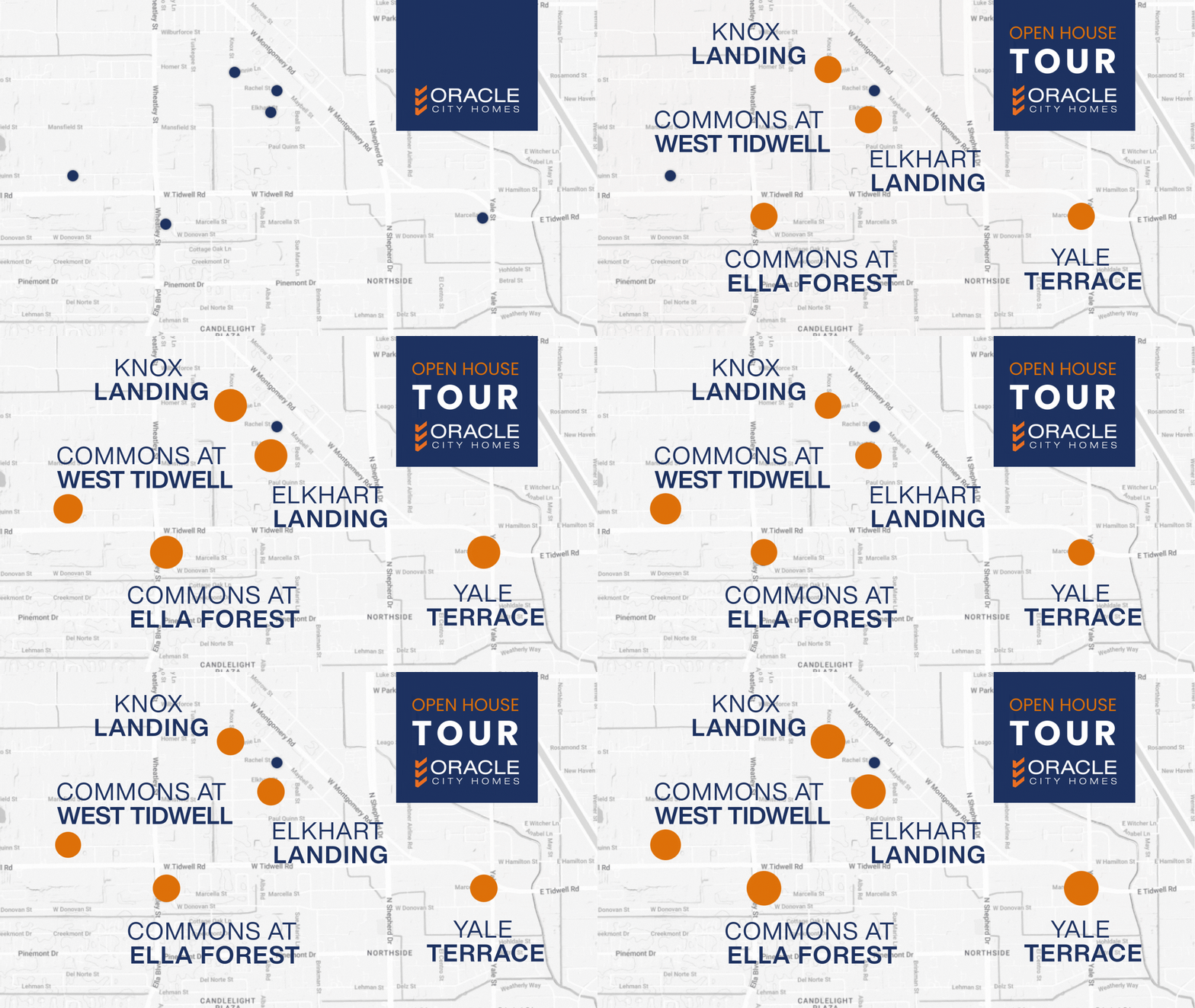
If you are considering a pocket community in Independence Heights, start with the checklist above and line up your financing early. Many buyers appreciate move-in-ready options, quick-close timelines, and clear support throughout the process. If you want help exploring limited-edition infill communities and buyer-friendly programs like 100% financing or Build & Lock, connect with Oracle City Homes for current availability, tours, and education.
FAQs
Are pocket communities the same as condos in Houston?
- Not always. Many are fee-simple small lots with an HOA, while some are condominiums. Confirm the legal ownership type before you make an offer.
Do pocket communities in Independence Heights usually have HOAs?
- Many do. HOAs help maintain shared spaces and protect design cohesion. Review covenants, dues, and budgets to understand costs and rules.
Are pocket communities more affordable than traditional homes?
- They can be more attainable than larger-lot homes because they use land efficiently, but central Houston land values still drive pricing. Compare active comps before deciding.
How should I check flood risk for a pocket community home?
- Start with the FEMA maps and local data from Harris County Flood Control, and request an elevation certificate for the specific home if applicable.
How do lenders view pocket community homes?
- Fee-simple homes are usually financed like other single-family properties. Condominium structures can have different lending and insurance requirements. Confirm early with your lender.