Wondering which Houston townhome layout fits your life best? In Second Ward, where narrow lots and vertical designs are common, floor plan choices shape your light, storage, and daily steps. You want a home that feels bright, functions well, and works with your routines. This quick guide breaks down the most common plans and what they mean for day-to-day living in Second Ward. Let’s dive in.
Second Ward townhome context
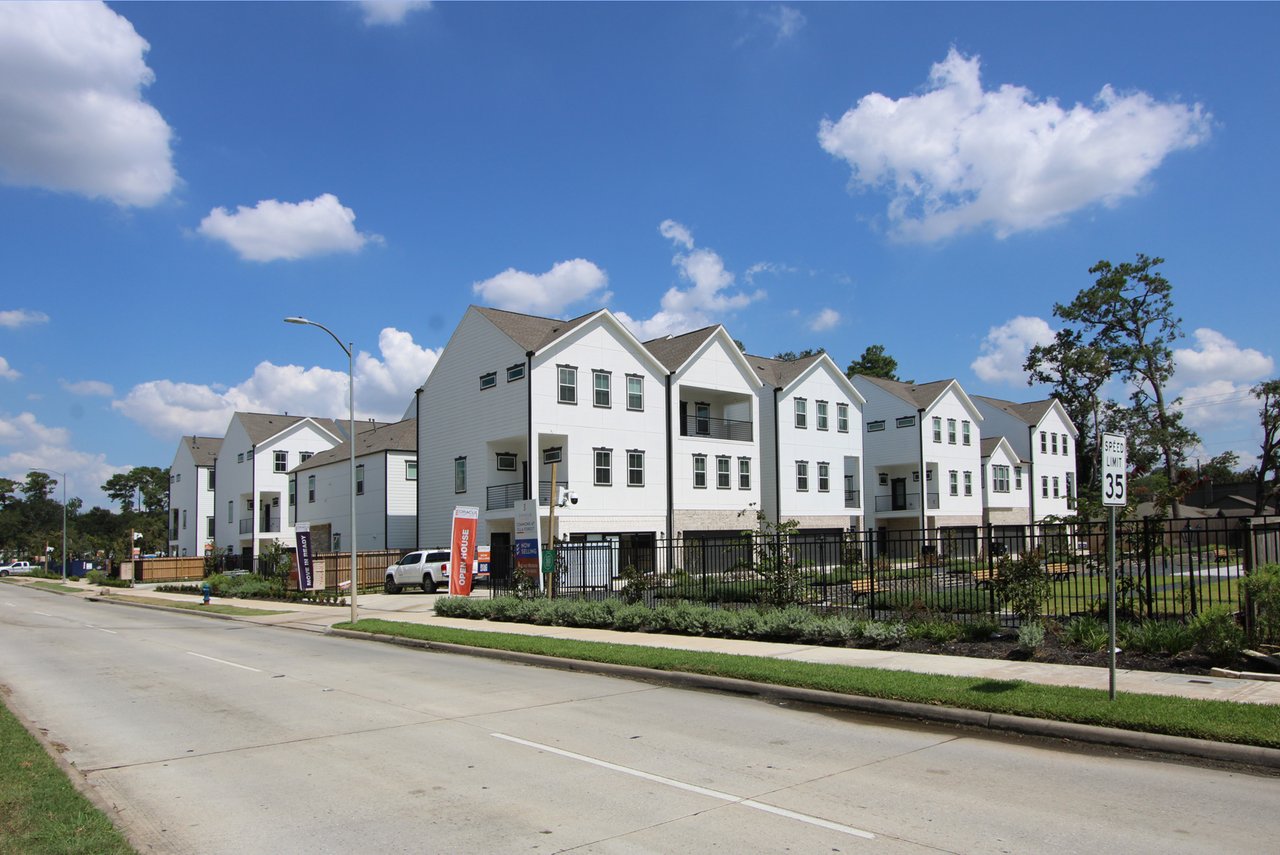
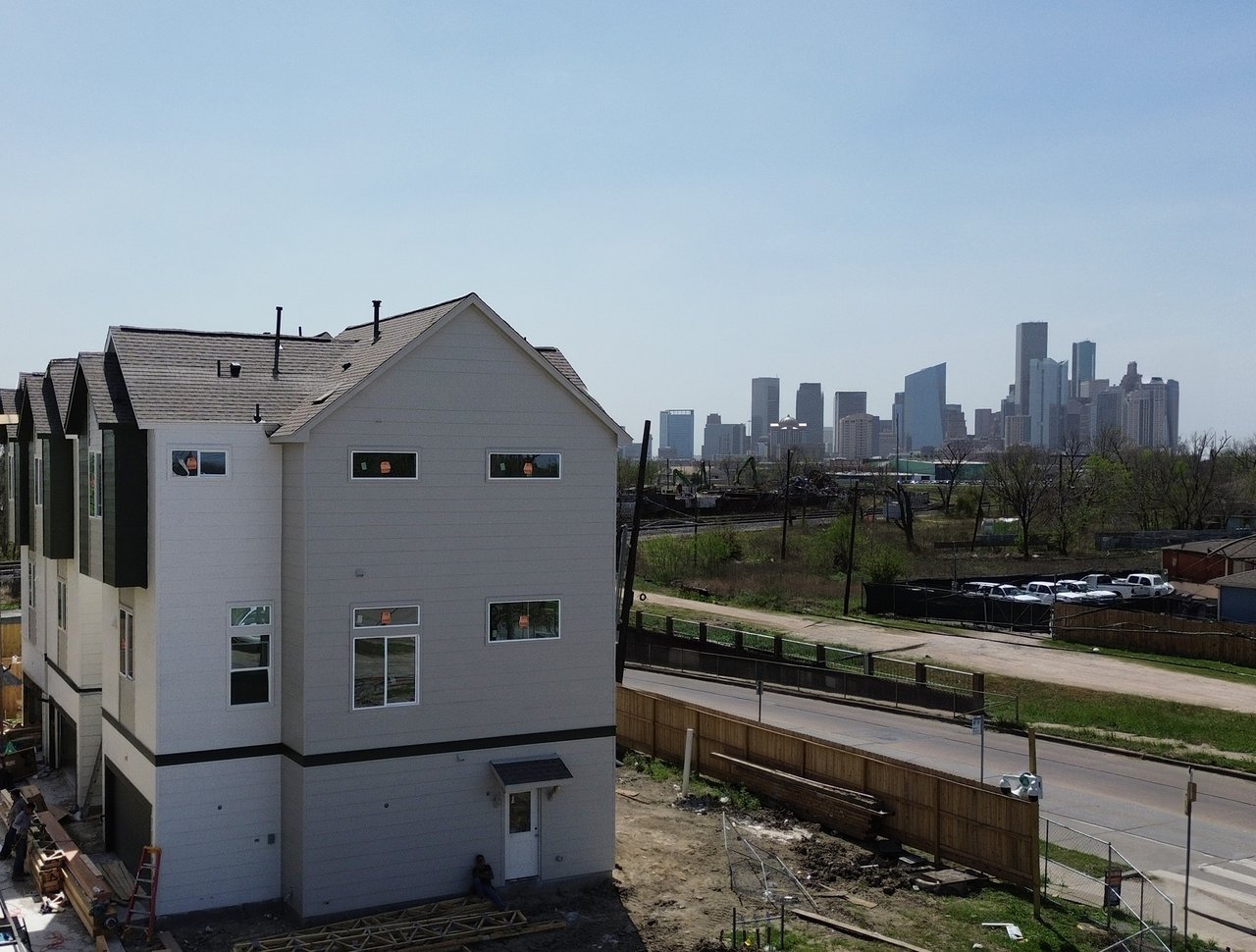
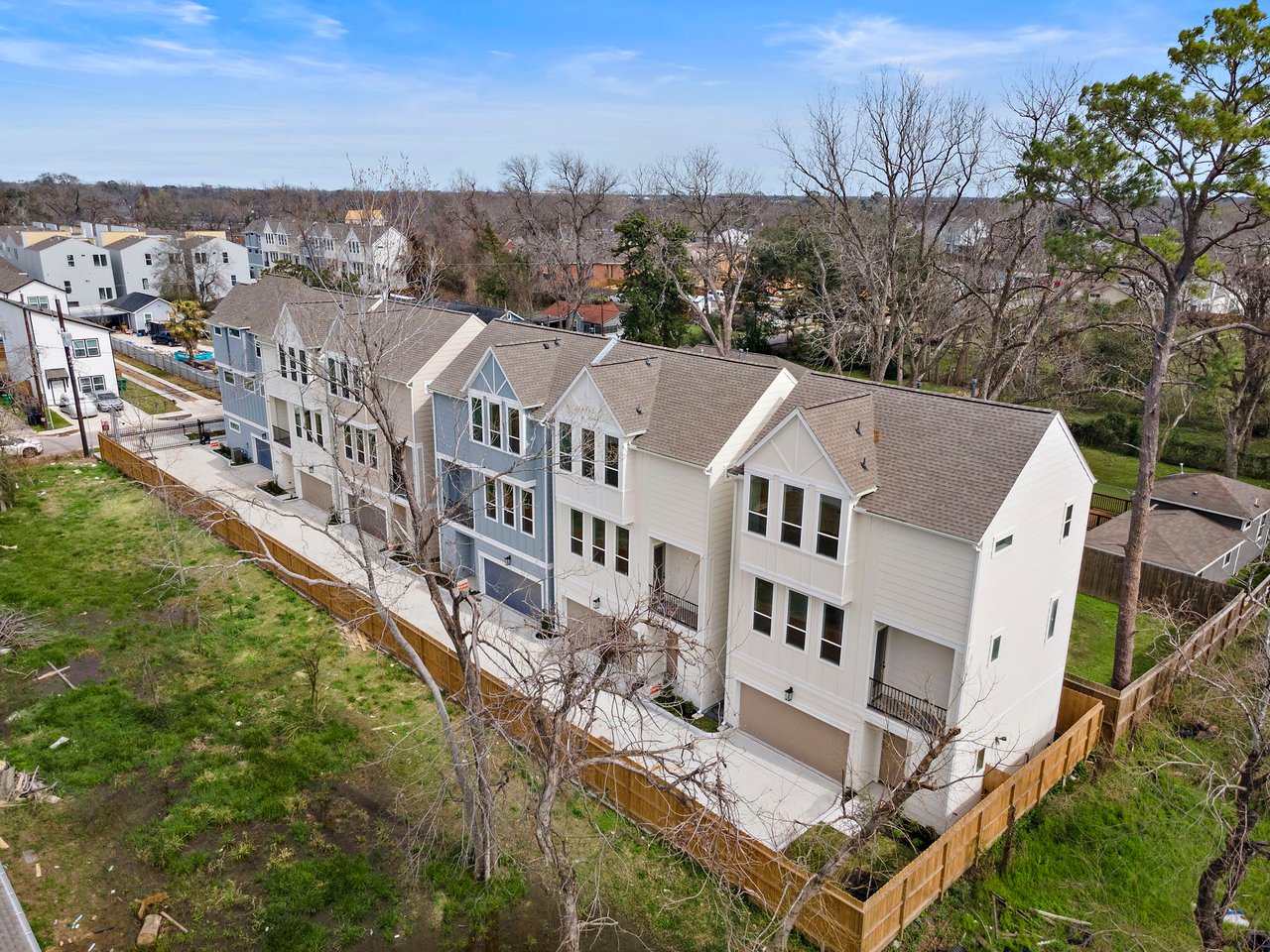
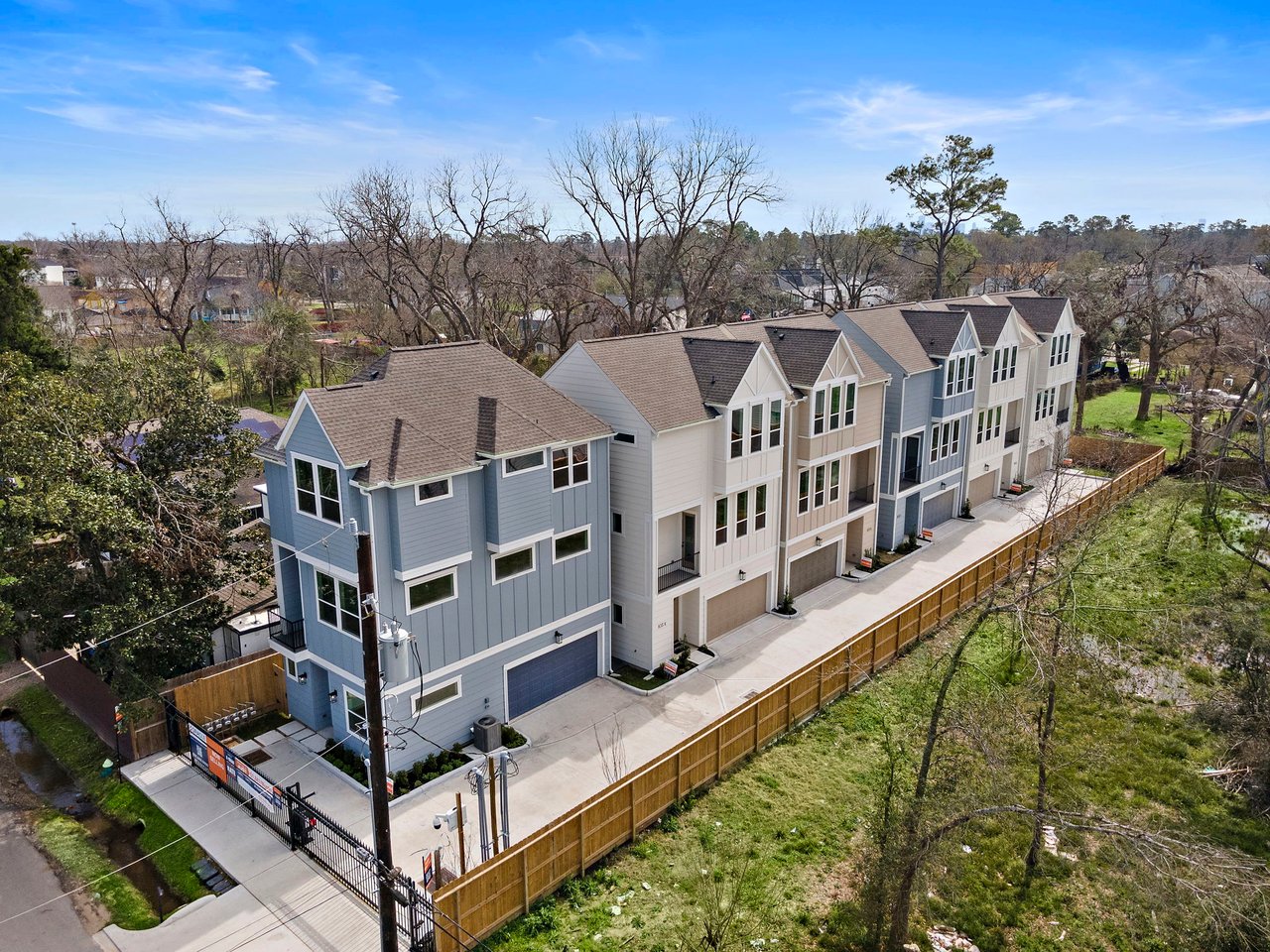
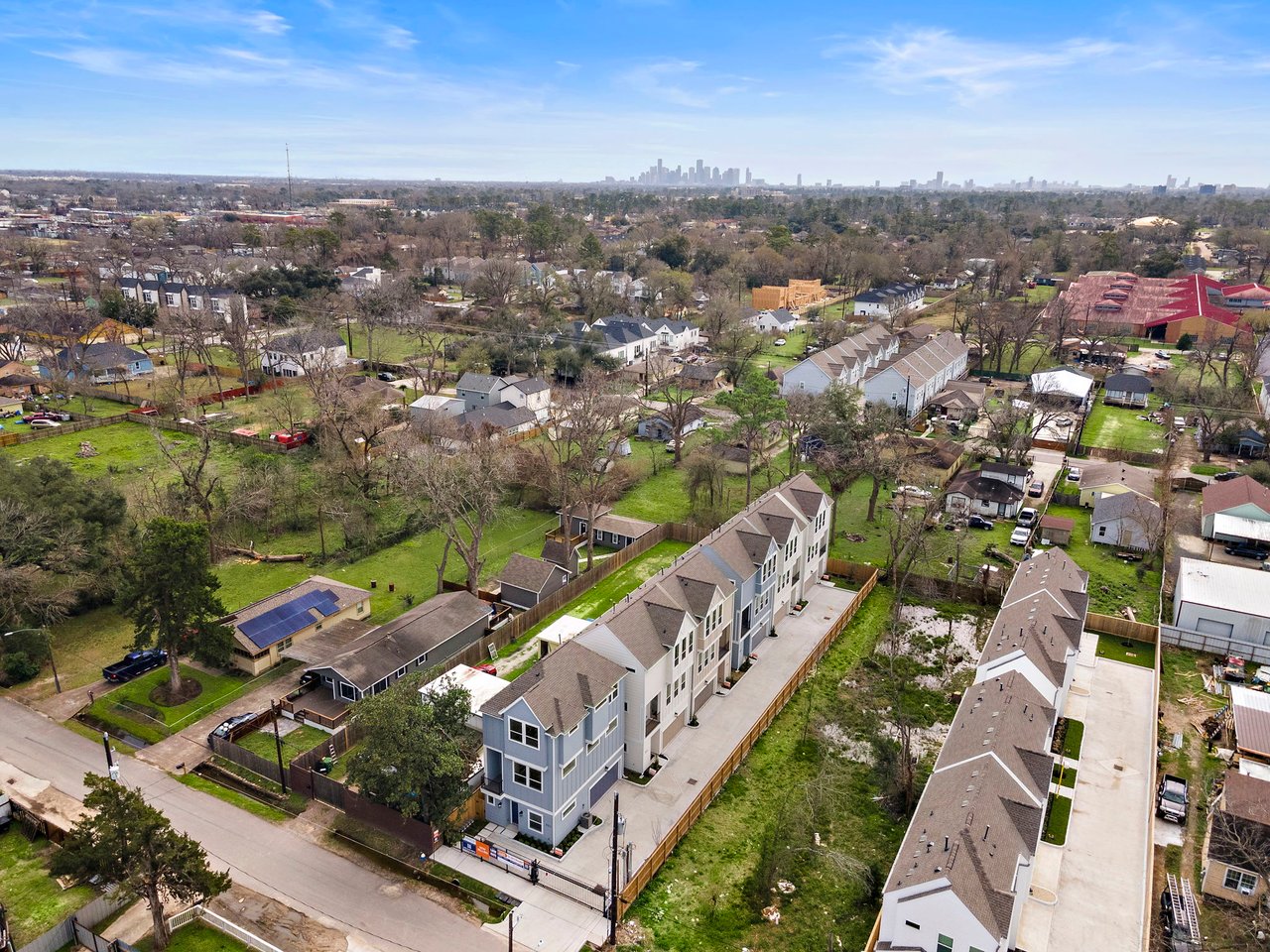
Second Ward sits just east of Downtown inside the I-10/I-45 loop. It blends older cottages and historic buildings with new infill, including narrow, multi-level townhomes. Houston’s flexible development environment encourages these compact, vertical homes, which often stack living spaces above the garage to maximize usable square footage.
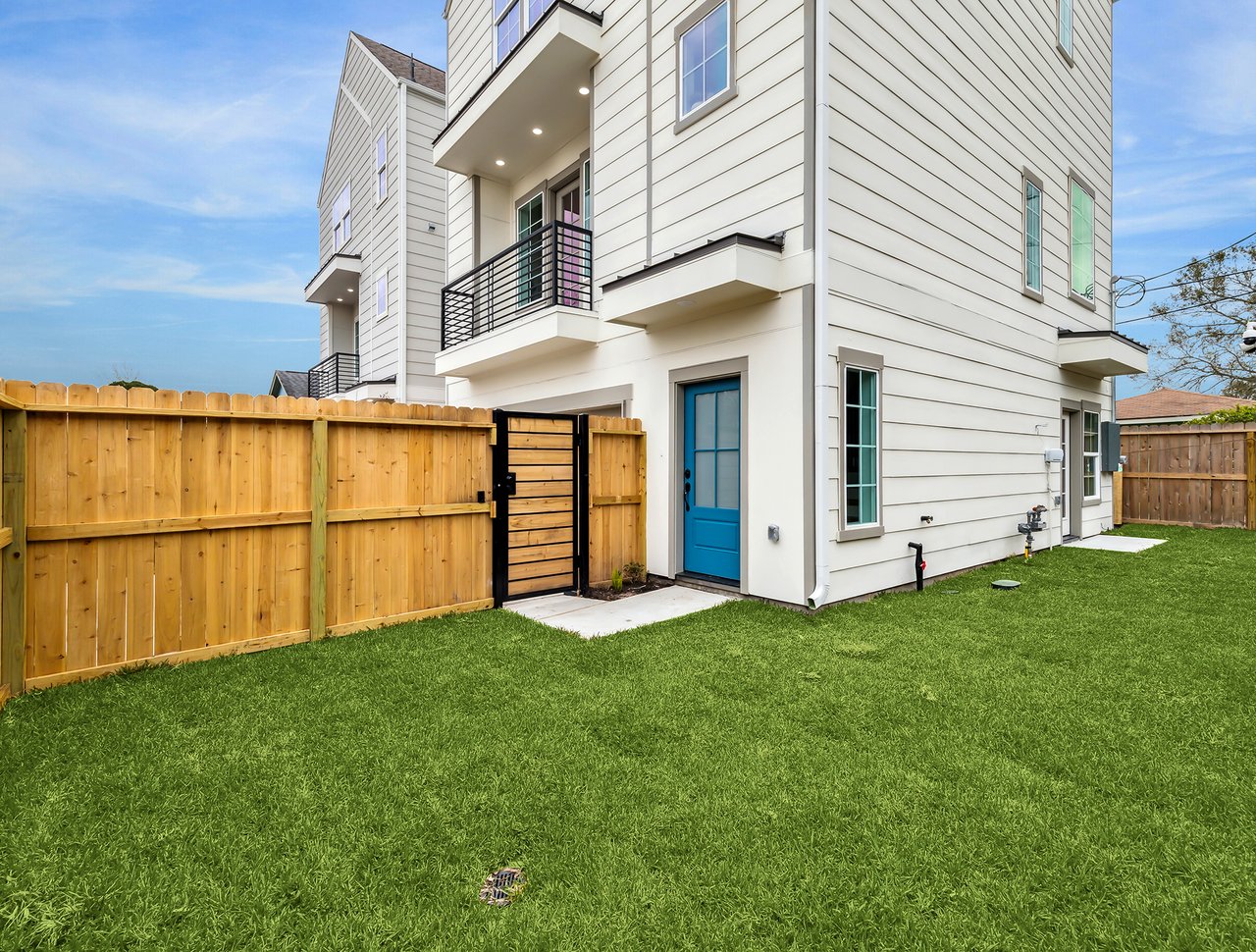
Flood risk is a local reality. Parts of Second Ward sit near floodplains, so many newer townhomes use elevated slabs, garage-first designs, and raised mechanicals. As you tour homes, ask about finished floor elevations, flood designations, and where HVAC and water heaters are located.
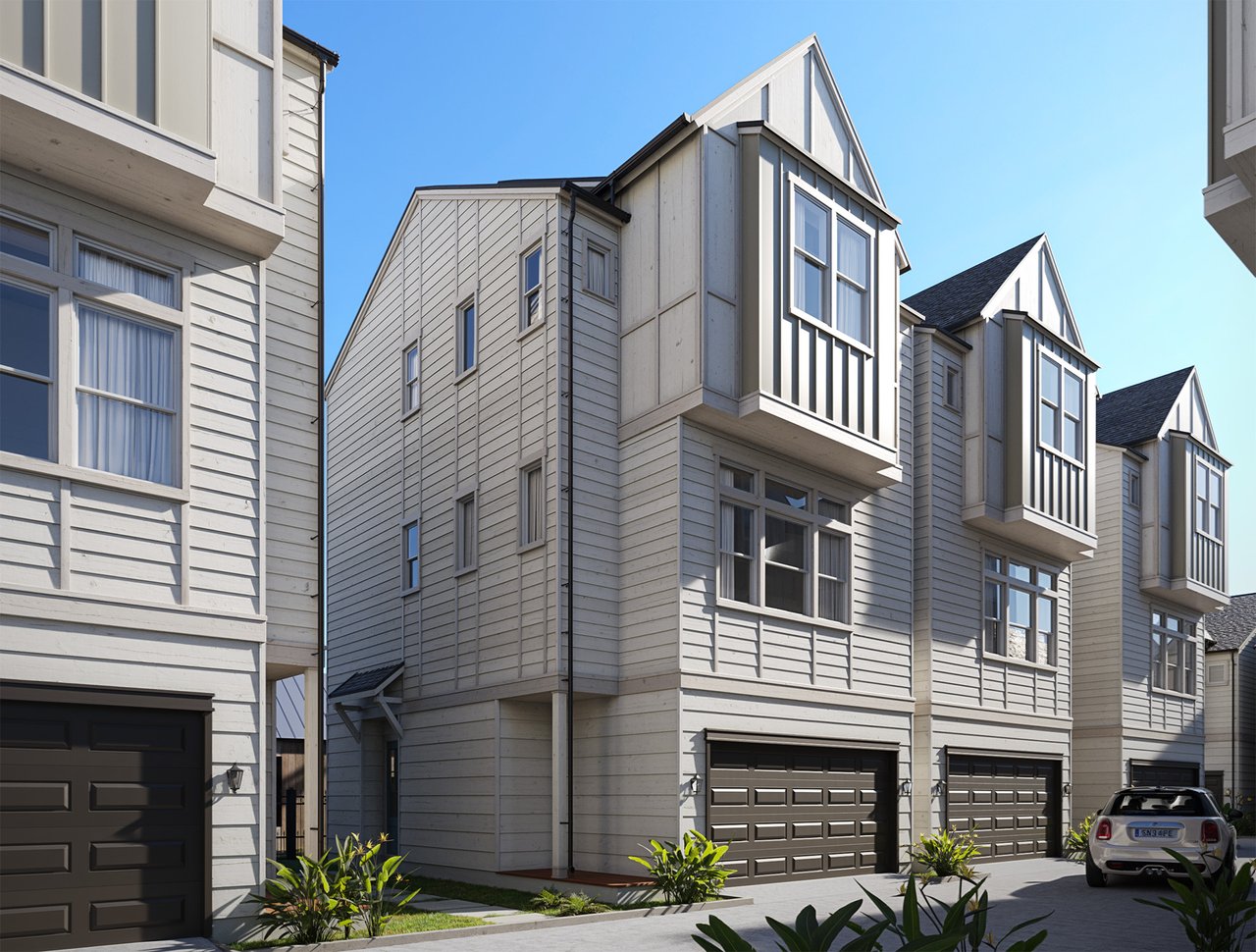
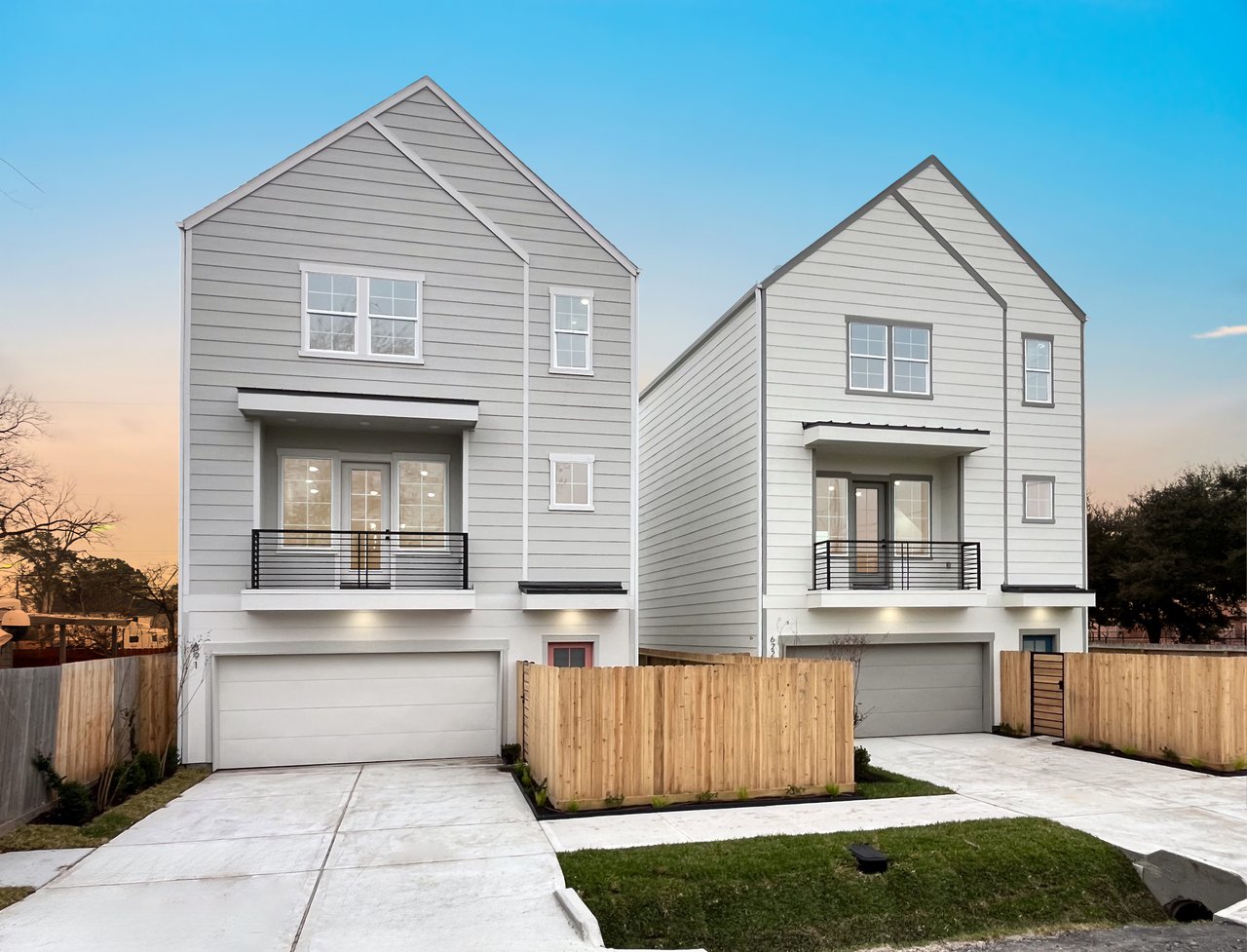
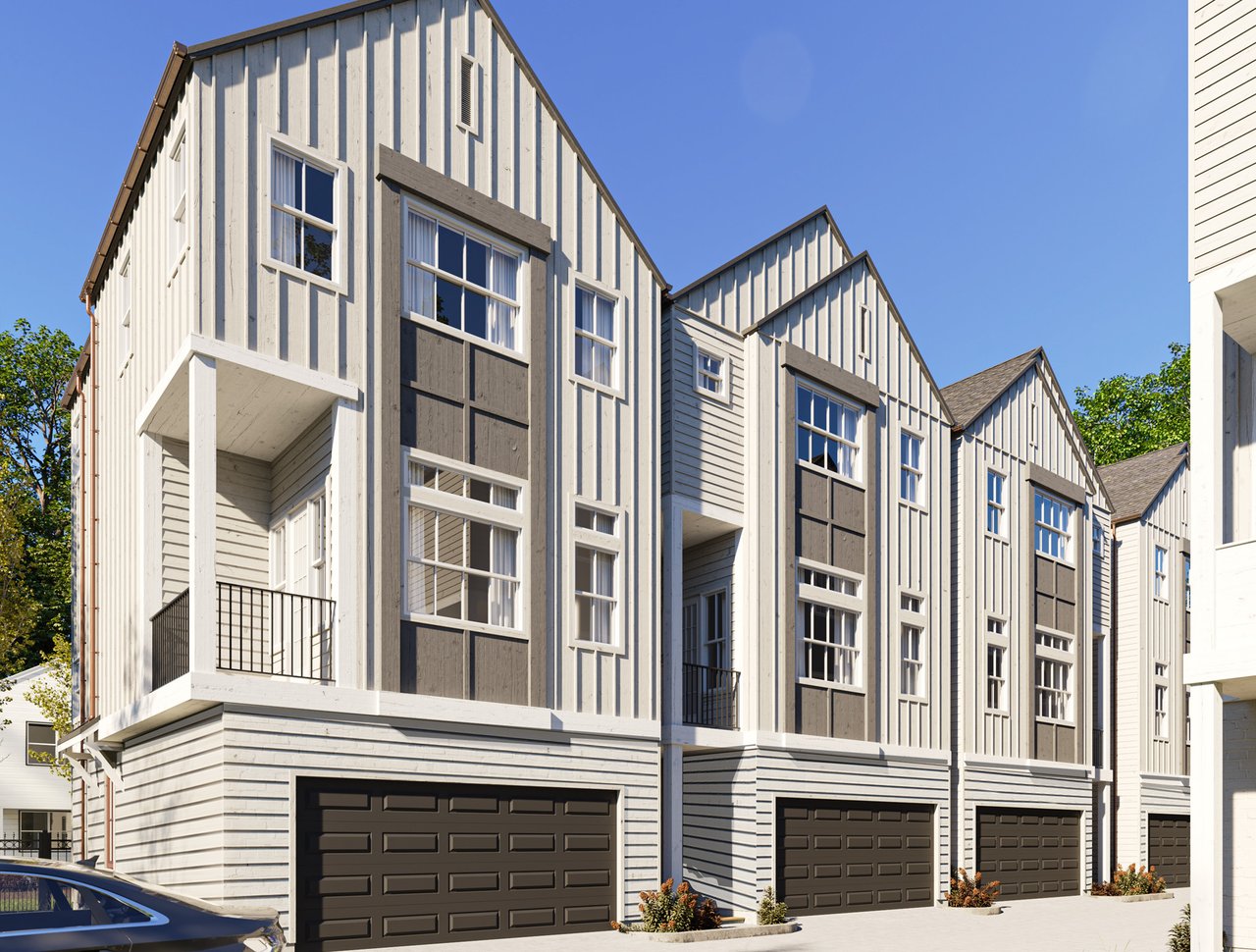
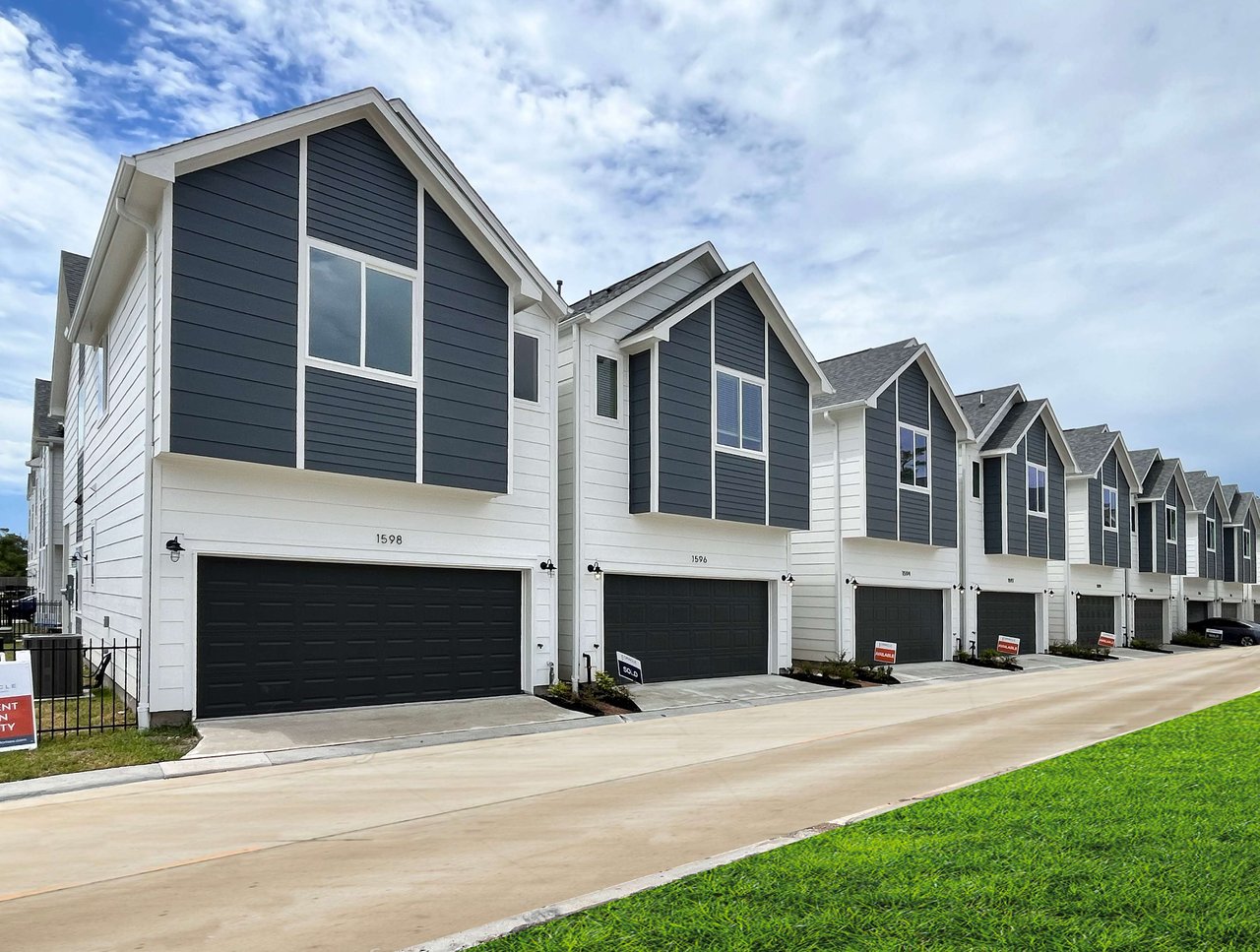
Most townhomes here are two to four stories, with one or two-car attached garages. Guest parking often relies on on-street options, and alley access varies by project. Expect a small footprint, more stairs, and a focus on smart storage throughout.
Layout types at a glance
Living-up
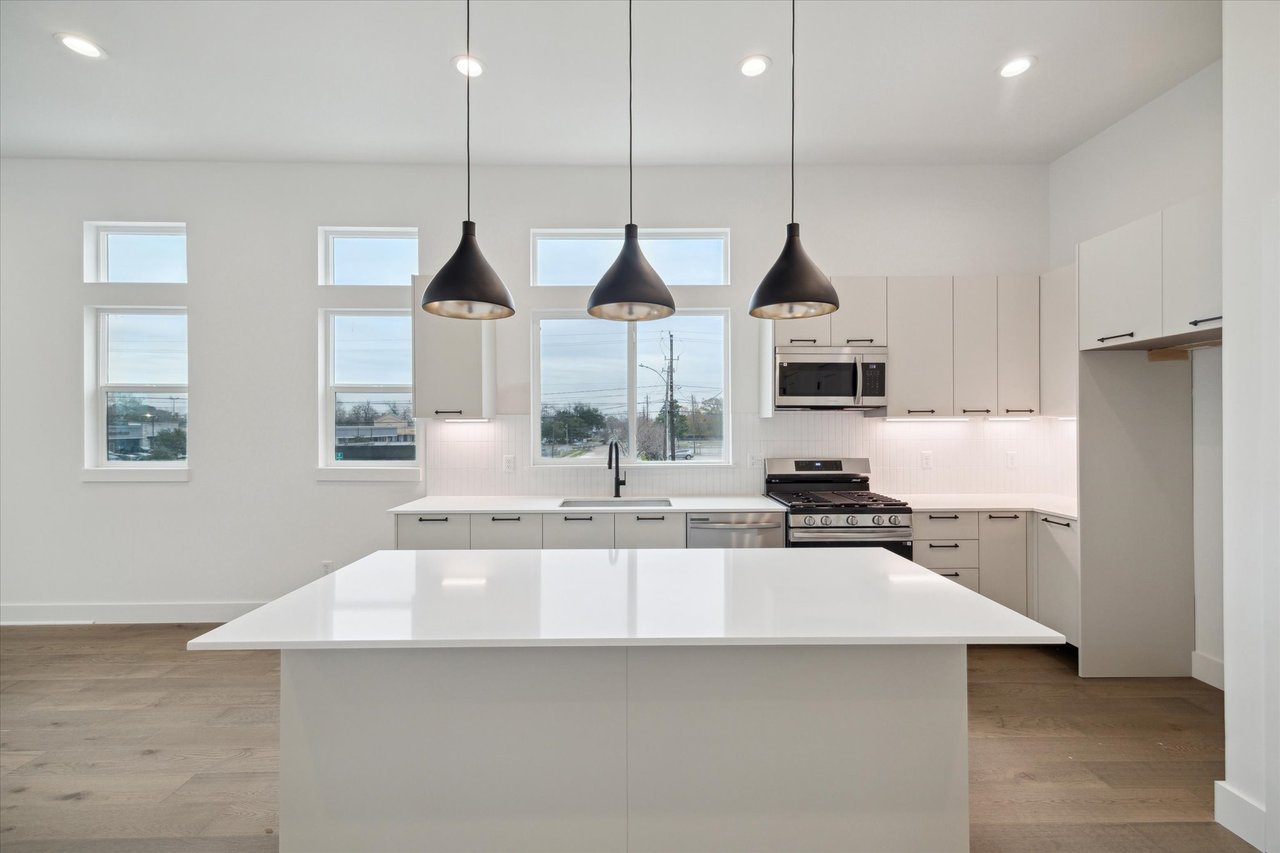
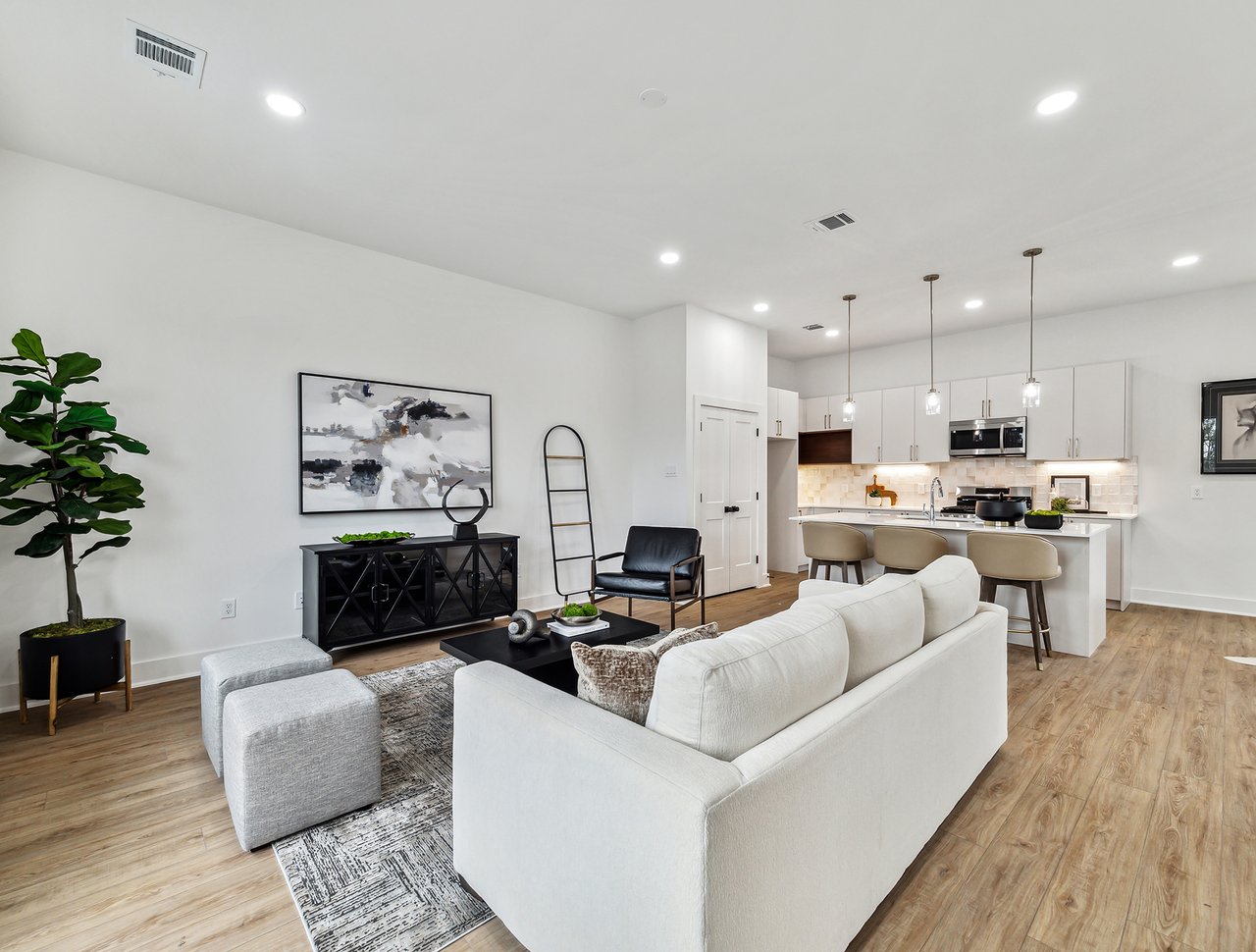
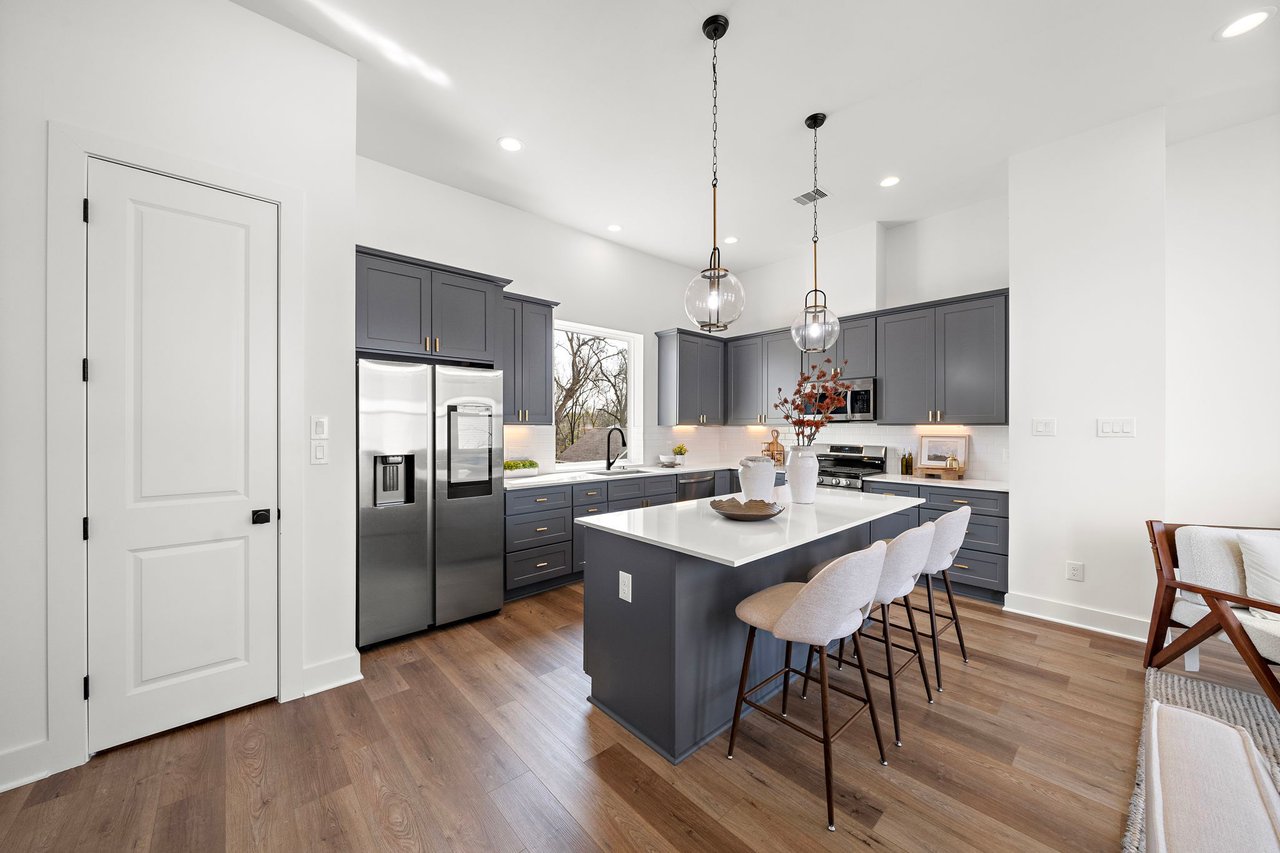
This plan places the main living areas, like kitchen, dining, and living room, on an upper floor, often the second level. Entry and garage sit on the ground level, with bedrooms typically above the living floor.
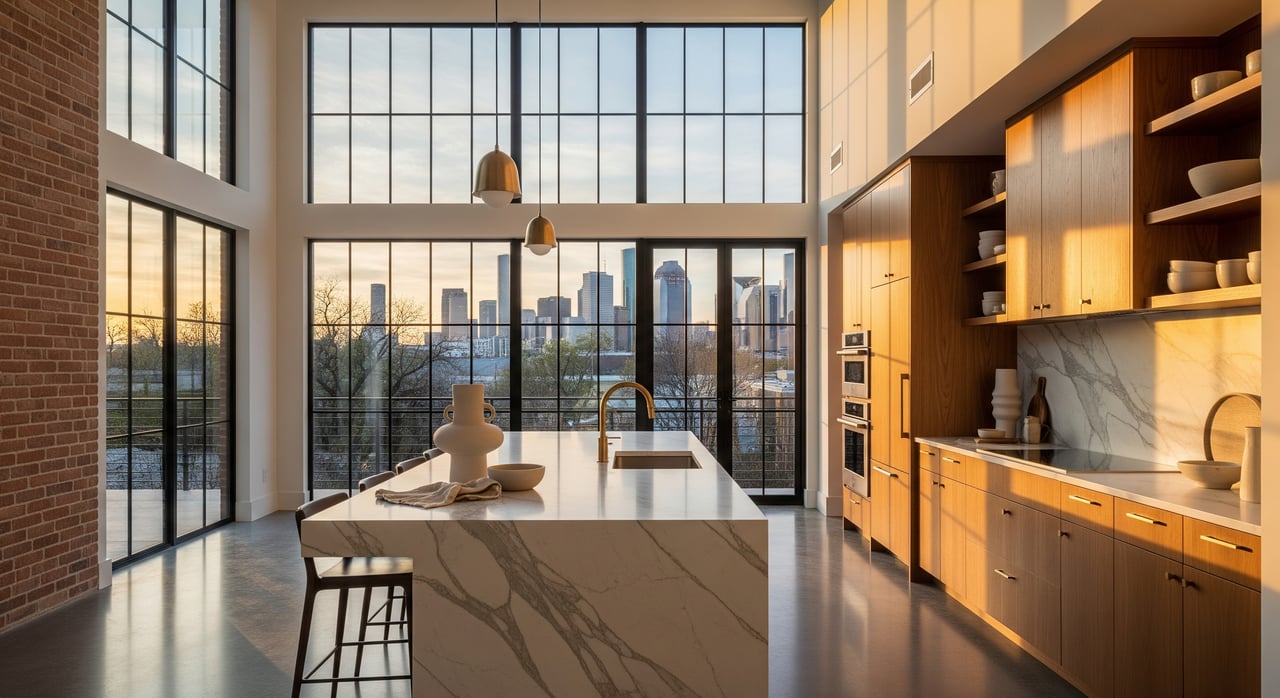
- Light: Upper living areas usually get better daylight and less street noise. Window orientation still matters when nearby buildings are close.
- Storage: Most storage sits on the ground floor in the garage and entry closets, with built-ins or under-stair niches used throughout.
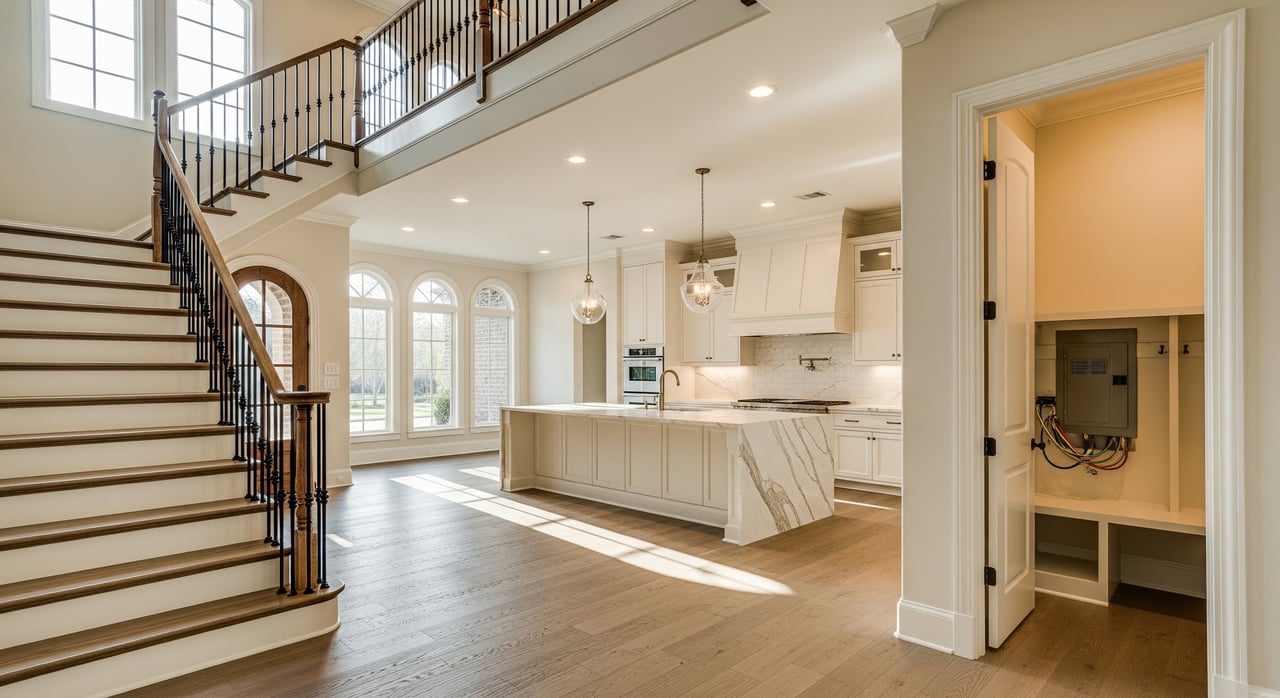
- Stairs: You’ll climb daily to reach the kitchen and living spaces. Check stair width, landings, and rise/run for comfort.
Pros: Brighter entertaining spaces and quieter living rooms. Clear separation between public and private areas.
Cons: More trips up and down with groceries or strollers. Less convenient if you prefer one-level living.
Primary-up
In this plan, the primary suite is on the top floor for privacy and views. Secondary bedrooms are usually one level below, with main living between.
- Light: Top-floor suites often have better daylight and fewer obstructions from adjacent homes.
- Storage: Walk-in closets are common; ground-level storage still handles bulky gear.
- Stairs: Expect an extra flight every night. Consider noise from top-floor mechanicals and access for maintenance.
Pros: Quiet retreat feel and stronger privacy. Helpful for hosting or shared households.
Cons: Daily stair count is higher. Not ideal if mobility is a concern.
Garage-first
The garage and mudroom dominate the ground level, with living spaces stacked above. This is very common in Second Ward due to narrow lots.
- Light: Living on level two or higher improves daylight, but orientation and spacing to neighbors still matter.
- Storage: The garage often carries most storage. Look for shelving, ceiling height, and built-in options.
- Stairs: You’ll climb right after parking. Features like bench-and-hook drop zones and wide landings make this easier.
Pros: Maximizes upper-level living space and provides secure parking. Direct interior access simplifies arrivals.
Cons: Fewer ground-level living options. Moving large items takes planning.
Roof-deck plans
These include a rooftop terrace accessed by interior stairs or a stair tower. The roof level can be a major bonus for outdoor living and views.
- Light: Roof decks offer open sky and can introduce daylight to top-floor rooms. Skylights or clerestories can help.
- Storage: Outdoor furniture and grilling gear need a home. Look for small rooftop closets or robust garage storage.
- Stairs: Adds another vertical transition. Verify access, safety features, and maintenance details.
Pros: Private outdoor space, better views, and expanded entertaining. Great for plants and fresh air.
Cons: Ongoing maintenance for waterproofing and decking. Check for any HOA or city restrictions.
Light, storage, and stairs: what matters
- Light: Upper-floor living rooms help with daylight and views, but neighboring walls can still shade interiors. Ask which way the main windows face to understand morning and evening light.
- Storage: Without basements, storage lives in the garage, closets, built-ins, and under-stair spaces. Confirm garage dimensions and any available storage upgrades.
- Stairs: Count the flights from the garage to the kitchen and to the primary bedroom. Fewer flights reduce daily fatigue. Elevator-ready chases are a plus for long-term flexibility.
Which plan fits your lifestyle?
- Frequent entertainers: Choose living-up or a home with a roof deck for brighter gathering spaces and outdoor flow. Make sure the kitchen layout supports easy circulation.
- Daily commuters: Garage-first plans simplify arrivals, with quick access from car to living areas. A second-floor kitchen close to the stairs can save steps.
- Long-term planners or downsizers: Look for fewer total flights, main-level guest suites, or elevator-ready designs.
- Households with kids: Review stair safety, landing space, and how bedrooms are distributed across floors.
Flood resilience tips
- Ask for the elevation certificate and confirm the finished floor height relative to flood designations.
- Verify that mechanical systems sit above potential flood levels.
- Understand how a ground-level garage is designed to handle storm events.
- Discuss flood insurance implications and compare options before you buy.
Second Ward walkthrough checklist
Use this quick list while touring:
- How many full flights from garage to kitchen? To the primary bedroom?
- Where are HVAC and water heater located? Are they elevated above potential flood levels?
- Is the home in a designated floodplain? What is the finished floor elevation?
- Garage size and storage: Will two cars, bikes, and shelves fit comfortably? What is the ceiling height?
- Light: Which way do the main living windows face? Are nearby buildings shading them?
- Roof decks: Materials, drainage, guardrail height, and waterproofing details. Any HOA rules?
- Accessibility: Is there space for a future elevator? Any main-floor bedroom options?
- Noise and privacy: How close is the home to major streets or active commercial areas? How are windows oriented?
- HOA: What do dues cover, and what are the rules on exterior modifications and roof decks?
Next steps
Choosing the right floor plan in Second Ward comes down to daily comfort. Focus on light, storage, and stairs, then layer in flood resilience and long-term flexibility. When a layout supports your routines, the home will feel better from day one.
If you want design-forward, move-in-ready options inside Houston’s central neighborhoods, explore communities by Oracle City Homes. You’ll find staged models and 3D tours, buyer education, and financing programs like 100% financing and Build & Lock, plus a homeowner warranty portal for post-close support. Ready to see what fits? Schedule a Tour and take the next step with a team focused on thoughtful layouts and lasting value.
FAQs
What is a living-up townhome in Houston?
- It places the main living areas on an upper floor, improving daylight and reducing street noise, with garage and entry at ground level.
How do roof decks affect maintenance and use?
- Roof decks add private outdoor space but require attention to waterproofing, drainage, and safety features, and may be subject to HOA rules.
How can I assess flood risk in Second Ward?
- Ask for the elevation certificate, confirm floodplain status, and verify that mechanical systems are located above potential flood levels.
Are garage-first plans convenient for daily life?
- Yes, they offer secure parking and direct access, but you will climb stairs to reach the kitchen and living spaces, so check stair comfort.
Where does storage typically live in narrow-lot townhomes?
- Most storage is in the garage, closets, built-ins, and under-stair spaces, since basements are uncommon.
What should I check about stairs before buying?
- Count flights to key spaces, review stair width and landings, and look for elevator-ready designs if you want long-term flexibility.