Buying new construction in Braeswood Place and hearing both “orientation” and “inspection”? They sound similar, but they serve different purposes and happen at different times. If you are a first-time buyer or a busy professional near the Medical Center, understanding the difference helps you protect your investment and avoid last-minute stress. In this guide, you will learn what each step covers, when to schedule them, who should attend, and what to focus on locally in the Meyerland and Braeswood Place area. Let’s dive in.
Orientation vs inspection: what they do
Builder orientation (walkthrough) is a guided tour with the builder or their representative near closing or at move-in. You learn how to operate key systems like HVAC and electrical panels, review appliance manuals and warranty procedures, and create a punch list for items the builder will fix or finish. Expect to leave with a written punch list, warranty packet, and service contacts.
Third-party home inspection is an independent evaluation by a licensed inspector. It focuses on safety, habitability, and code-level issues across structural, mechanical, electrical, plumbing, roofing, and more. You receive a written report with photos and prioritized findings you can use for negotiations, warranty claims, or follow-up. Standards of practice are guided by professional groups such as InterNACHI and ASHI.
In Texas, the purchase contract defines inspection windows and procedures. Review your agreement and timelines with your agent and consult resources from the Texas Real Estate Commission for consumer guidance on forms and rights.
Key differences at a glance
Purpose
- Orientation: Operation, maintenance, and punch list items the builder will address under contract and warranty.
- Inspection: Unbiased evaluation of safety, defects, and potential failures.
Scope
- Orientation: May exclude purely cosmetic issues or items the builder considers outside warranty.
- Inspection: Flags issues builders can miss, such as grading and drainage, roof flashing, foundation concerns, plumbing leaks, electrical safety, HVAC commissioning, and insulation.
Timing
- Orientation: Often at or after closing or on possession day.
- Inspection: Ideally a week or so before closing. You can also add a pre-drywall check and an 11th-month warranty inspection.
Who attends
- Orientation: You and the builder’s representative. Your agent may attend. Many builders prefer inspectors perform separate inspections rather than attend the formal orientation.
- Inspection: You and your inspector. Your agent can attend.
Deliverables
- Orientation: Punch list, keys, manuals, warranty packet, and service procedures.
- Inspection: Written report with photos, prioritized repairs, and specialist referrals if needed.
Timing and who should attend
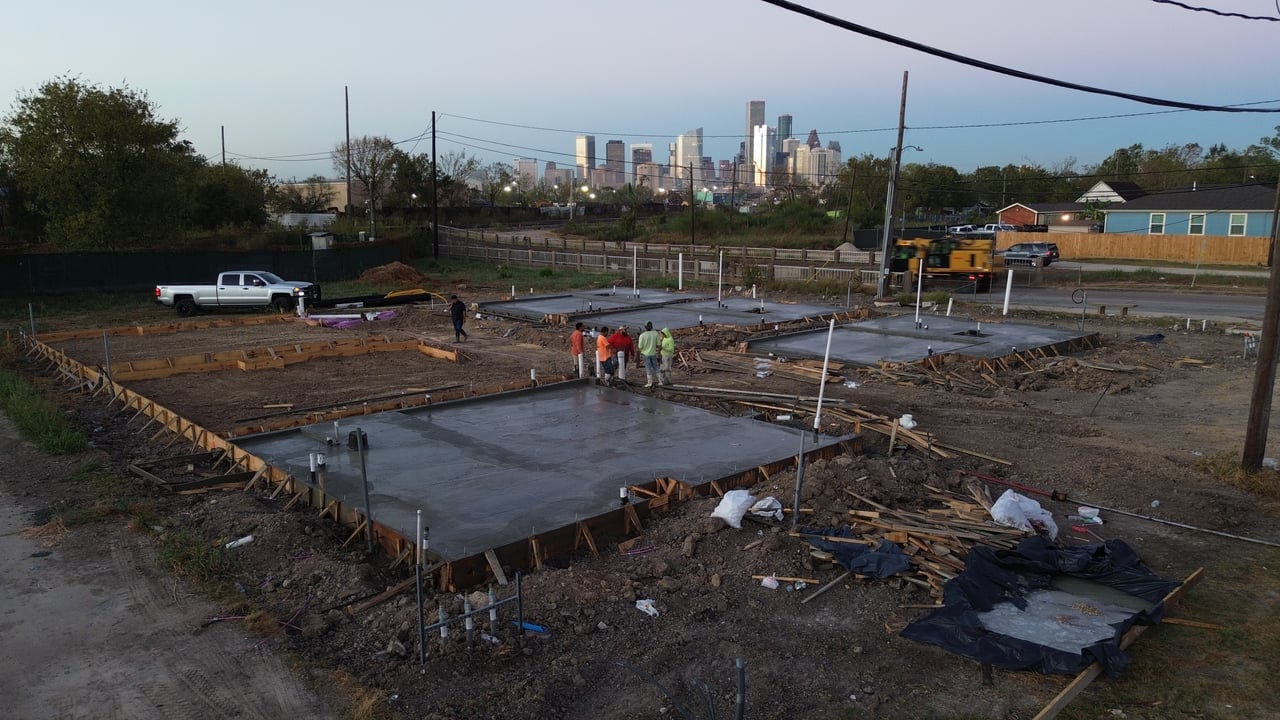
- Pre-drywall inspection (optional): Before insulation goes in, an inspector can review framing, electrical routing, plumbing rough-in, and HVAC ducts. This is useful if you want extra assurance on what will be concealed.
- Final independent inspection (recommended): Schedule within your contract window, ideally a few days before closing. Share any builder punch list with your inspector so findings align.
- Builder orientation: Happens near closing or at possession. Plan to attend in person if you can. Ask for timelines on punch list repairs.
- 11th-month inspection: Near the end of the first year, an independent inspection documents items for a typical 1-year workmanship warranty. Many builders use a version of the “1-2-10” model, but terms vary. Check your warranty packet and any guidance from the National Association of Home Builders on warranty practices.
Local issues to check in Braeswood Place
Braeswood Place and nearby Meyerland neighborhoods have unique conditions you should keep on your radar.
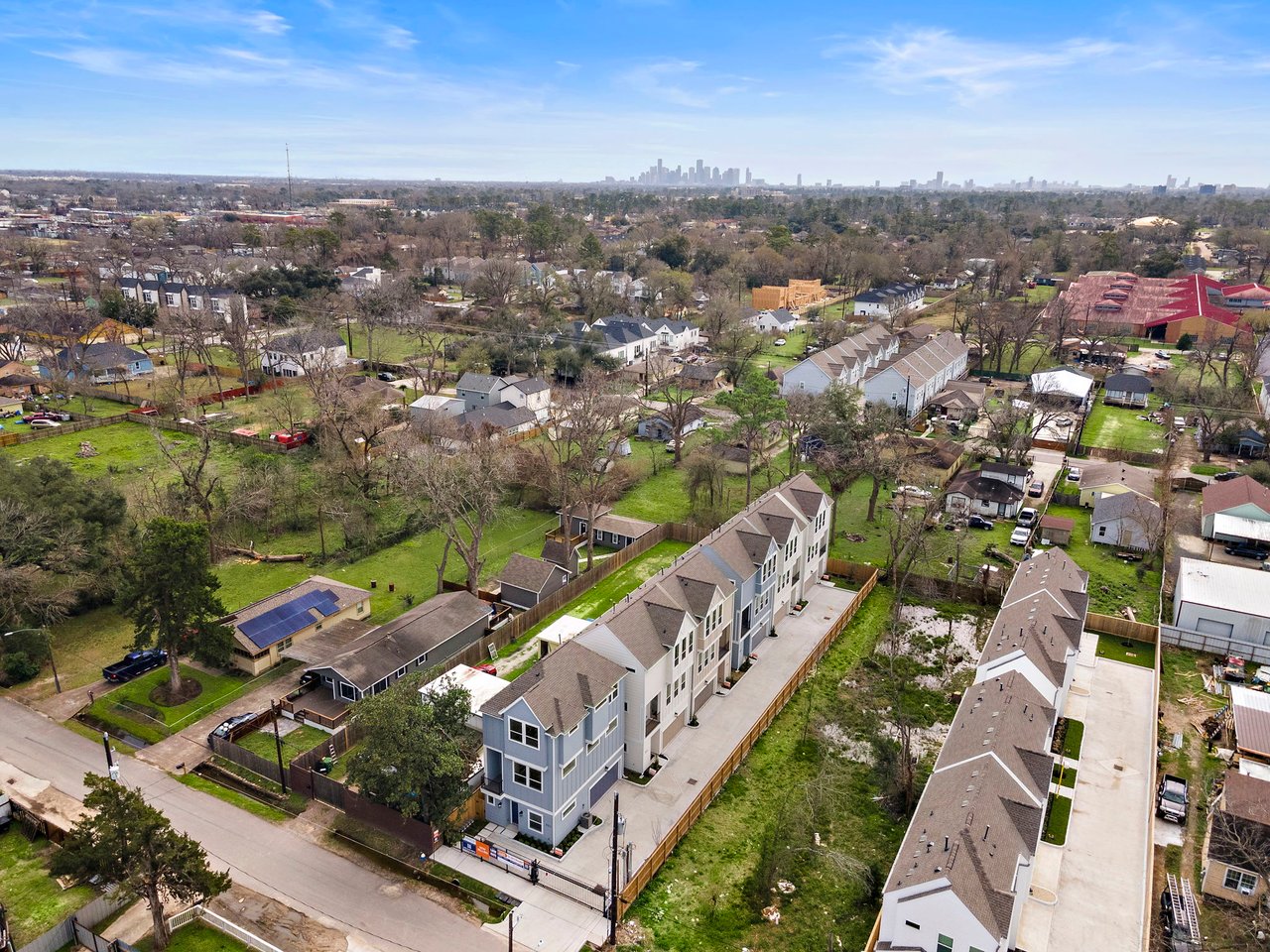
- Flooding, grading, and drainage: Parts of the area saw significant flooding during Hurricane Harvey in 2017. Review lot specifics on the FEMA flood maps and the Harris County Flood Control District tools. At the final inspection and orientation, confirm yard slope away from the home, downspout extensions, and drainage paths.
- Soils and foundations: Expansive clay soils are common in Houston and can affect slabs over time. Inspectors look for uniform slab elevation, typical shrinkage cracks, and proper joints. For deeper concerns, consider a structural engineer. Learn more from the Texas A&M AgriLife Extension on Texas soils and foundation behavior.
- Termites and pests: Harris County has elevated termite risk. Confirm pre-construction treatments or monitoring systems and any transfer or renewal process. The Texas A&M AgriLife Extension provides region-specific termite guidance.
- Permits and utilities: Verify the builder’s permits, final inspections, and certificate of occupancy where required. The City of Houston’s permitting resources outline local requirements. Confirm utility setup timelines and final meter transfers.
- HOA or deed restrictions: Many properties follow HOA standards or deed restrictions. At orientation, request HOA contacts and any rules that affect exterior finishes, drainage easements, and common area maintenance.
Make both work for you
Use the inspection and the orientation together to get a safer, better-documented handoff.
Before orientation and closing
- Hire an inspector with recent new-construction experience in central Houston. Ask for references.
- Decide on a pre-drywall inspection if you want a deeper look at framing and rough-ins.
- Review your contract for inspection deadlines, access rules, and warranty terms. TREC consumer materials can help you understand typical timelines and rights.
At the builder’s final walkthrough and orientation
- Attend in person if possible, or have your agent attend.
- Bring your phone for photos, a flashlight, and your floor plan.
- Ask for and keep: the warranty packet, appliance manuals, permit copies, certificate of occupancy if applicable, and service request procedures.
- Test faucets, toilets, appliances, HVAC modes and filters, electrical outlets with GFCI test buttons, and windows and doors for smooth operation and lock alignment.
- Confirm repair timelines for punch list items and who will schedule access.
If you hire an independent inspector
- Book the final inspection within your contract window.
- Share any builder punch list and warranty documents so your inspector can coordinate findings.
- Calendar an 11th-month inspection to capture items for the 1-year warranty.
Common new-build findings inspectors flag
Even new homes benefit from a second set of eyes. Inspectors frequently note:
- Grading or drainage that slopes toward the foundation rather than away.
- HVAC commissioning issues, like unbalanced airflow or incorrect refrigerant charge.
- Electrical items such as loose neutrals, missing connectors, or GFCI/AFCI placement gaps.
- Plumbing leaks, slow drains, P-trap issues, or inconsistent water pressure.
- Roof concerns like flashing, shingle installation, attic ventilation, or insulation coverage.
- Door and window operation, weatherstripping, and exterior caulking.
- Cosmetic paint and trim items that may fall outside certain warranty language.
- Foundation shrinkage cracks or uneven slab elevations that warrant monitoring or evaluation.
For standards and expectations across these systems, review resources from InterNACHI and ASHI.
Warranties and next steps in Texas
Most new homes include a builder warranty with specific timelines and coverage definitions. Many follow a common pattern for workmanship, systems, and structural coverage, but exact terms vary by builder. Ask for written warranty details and claim procedures during orientation. The National Association of Home Builders offers general guidance on what builders typically cover.
- Log all service requests in writing. Keep emails, photos, and dates.
- Use your inspection report to document conditions for warranty claims.
- If you uncover a major structural or safety concern and cannot get resolution, consider engaging a structural engineer or licensed tradesperson for a formal evaluation. A real estate attorney can advise on contract and statutory options if needed.
- Remember timeframes. An 11th-month inspection helps you submit items under a typical 1-year coverage period.
For contract rights and timelines, the Texas Real Estate Commission provides consumer-facing information and forms.
Quick buyer checklist
- Hire a licensed inspector experienced with new construction.
- Decide if you want a pre-drywall inspection.
- Confirm your final inspection window in the contract.
- Review FEMA flood maps and HCFCD resources for your lot.
- Verify permits, approvals, and certificate of occupancy if applicable.
- Attend orientation with a punch list in hand.
- Collect your warranty packet, manuals, and service contacts.
- Schedule punch list repairs and set expectations for completion.
- Calendar an 11th-month inspection.
The bottom line for Braeswood Place
An orientation teaches you how to run your home and sets the punch list. An independent inspection documents the home’s condition and safeguards your investment. In Braeswood Place and Meyerland, local factors like flooding, drainage, soil movement, and permitting make both steps worth your time. Use them together to get a smoother close and a stronger first year in your new home.
Ready to explore new construction near the Medical Center with transparent guidance and strong warranty support? Connect with Oracle City Homes to learn more and schedule a tour.
FAQs
What is a builder orientation for new homes?
- A builder orientation is a guided walkthrough near closing where the builder shows you home systems, delivers warranties and manuals, and creates a punch list for final items.
What does an independent home inspection include for new construction?
- An inspector evaluates structural, electrical, plumbing, HVAC, roofing, and more, then issues a written report with photos and prioritized repairs or referrals.
When should I schedule the final inspection before closing?
- Aim for about a week before closing, within your contract’s inspection window, so you have time to review findings and coordinate with your builder.
What local issues matter most in Braeswood Place?
- Focus on flood risk, grading and drainage, slab performance on clay soils, termite protection, and verification of permits and approvals.
Do builders allow inspectors at orientation?
- Many builders prefer inspectors conduct a separate inspection rather than attend the formal orientation, but policies vary. Ask your builder early.
What is an 11th-month inspection and why do it?
- It is an independent inspection near month eleven that documents items to submit under the typical 1-year workmanship warranty period.