Curious why you’re seeing small clusters of modern homes popping up around Independence Heights? If you want a new home close to central Houston without the sprawl of a huge suburb, you’re not alone. Many buyers are drawn to pocket communities for their design, convenience, and low maintenance. In this guide, you’ll learn what pocket communities are, how they work in Houston, the benefits and trade-offs, and what to check before you buy. Let’s dive in.
Pocket community basics
A simple definition
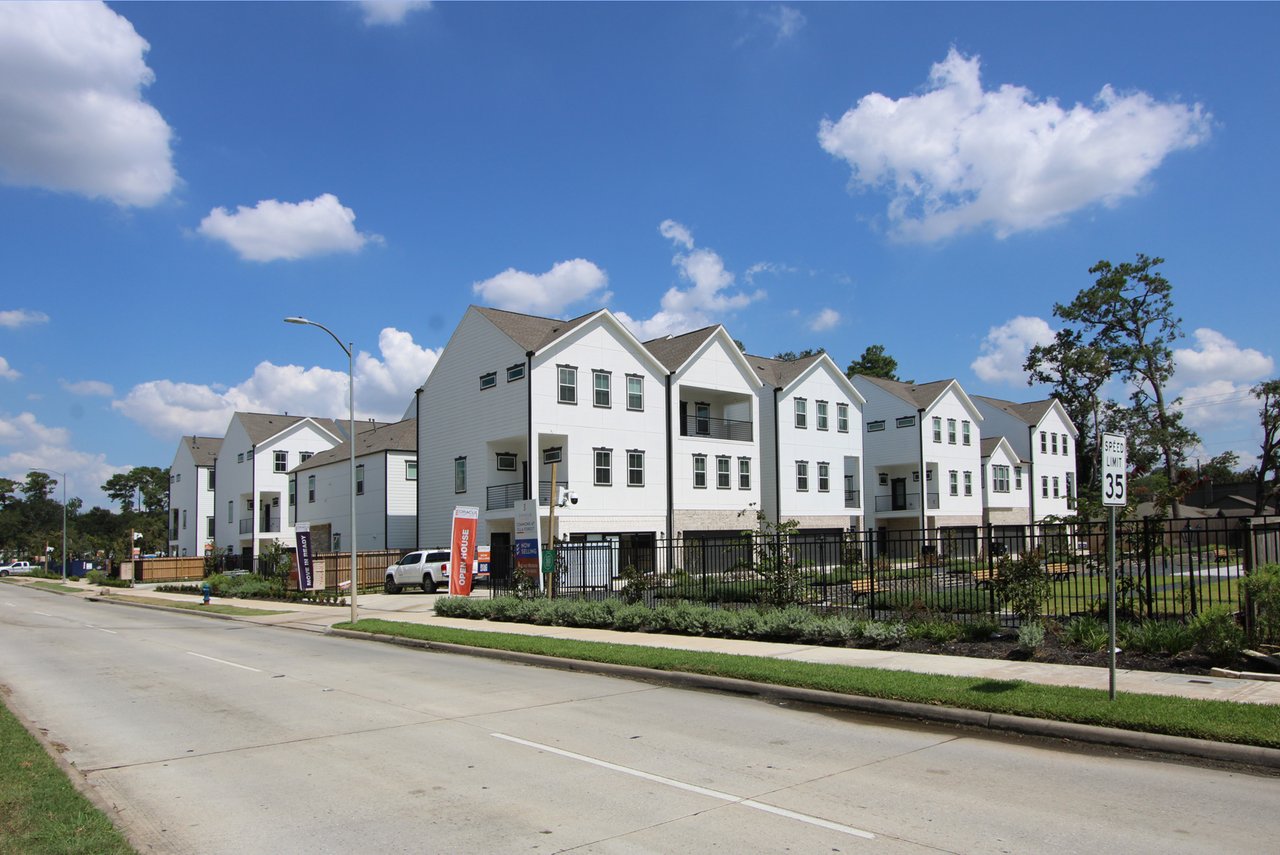
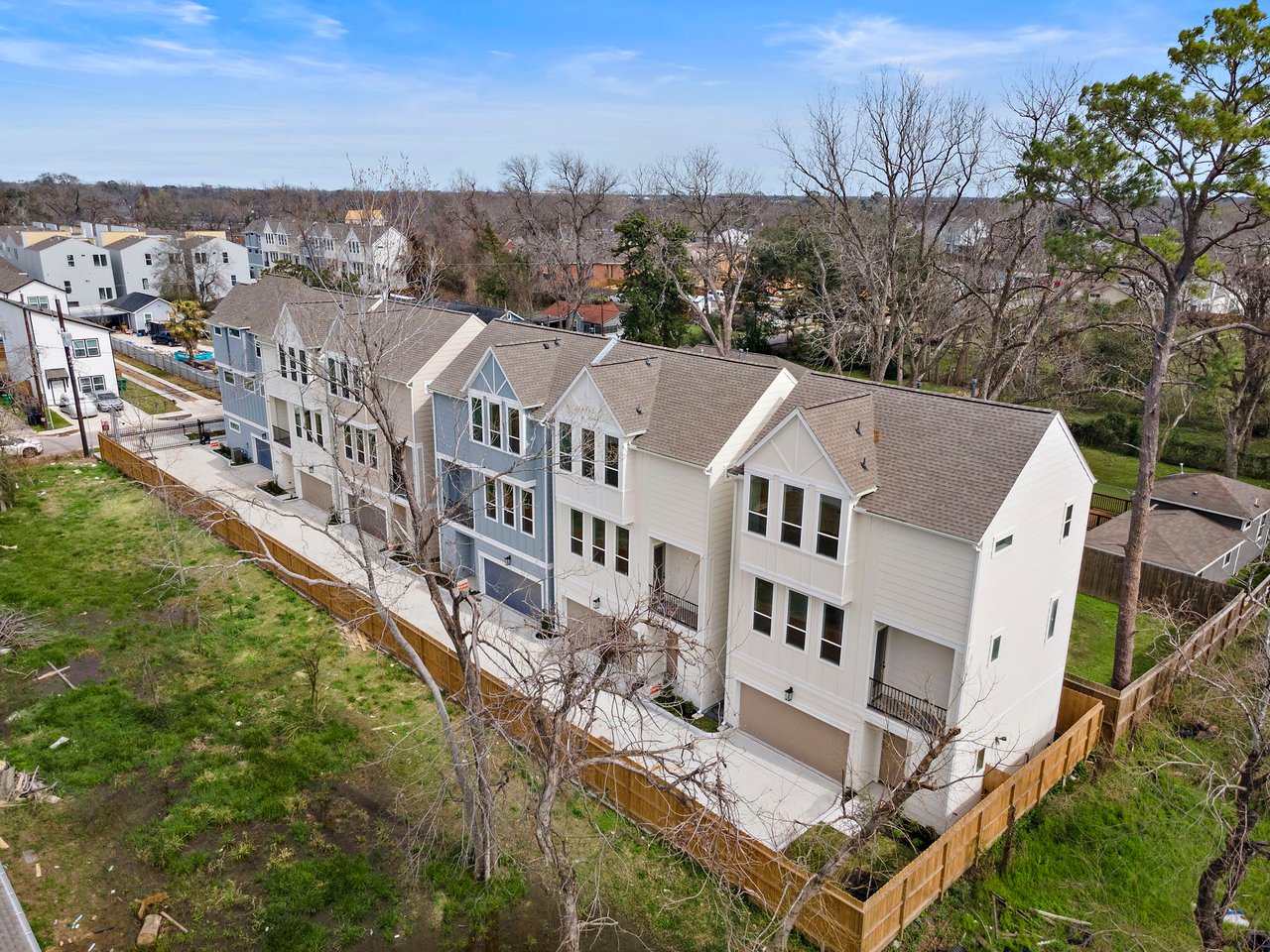
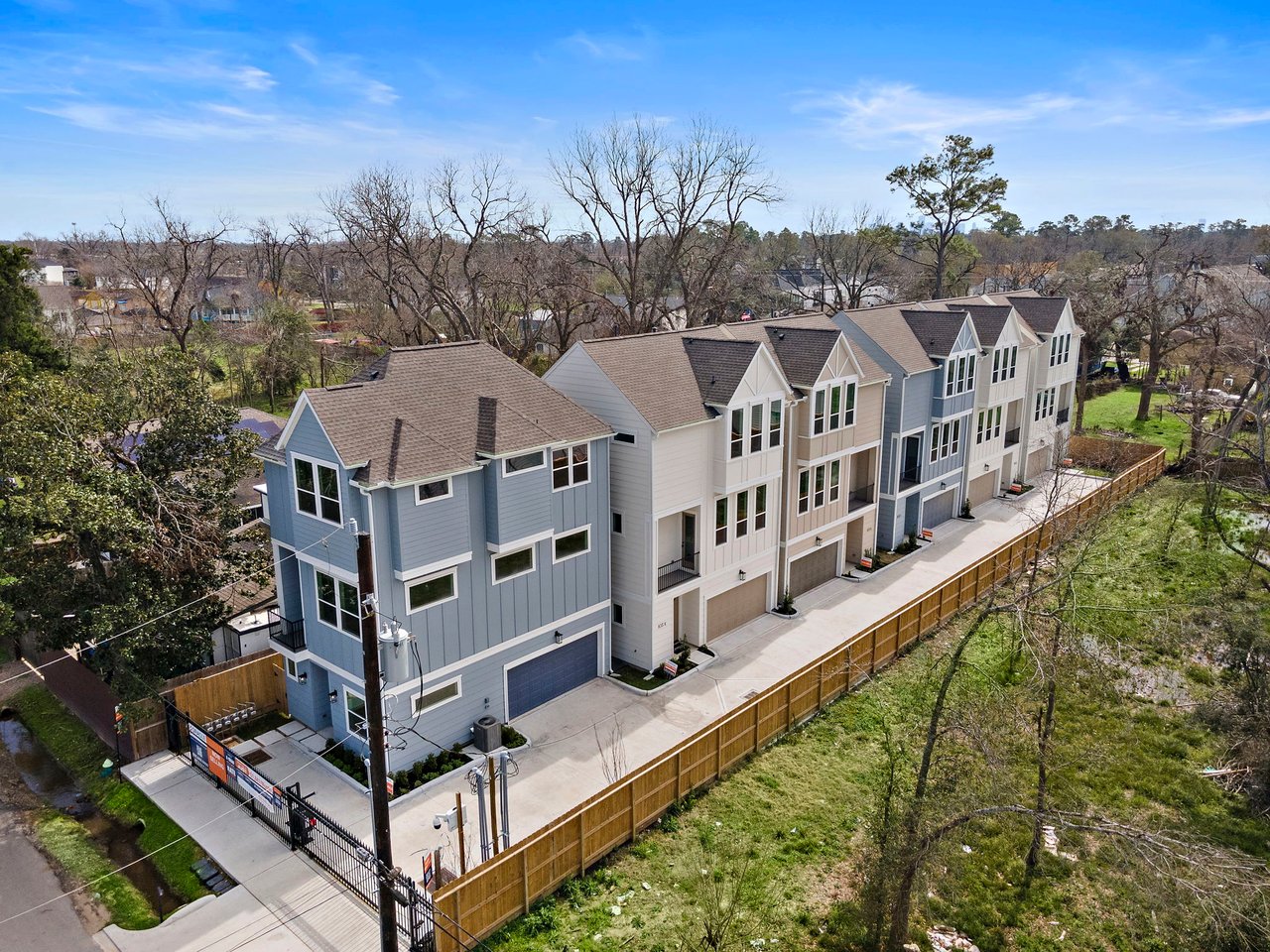
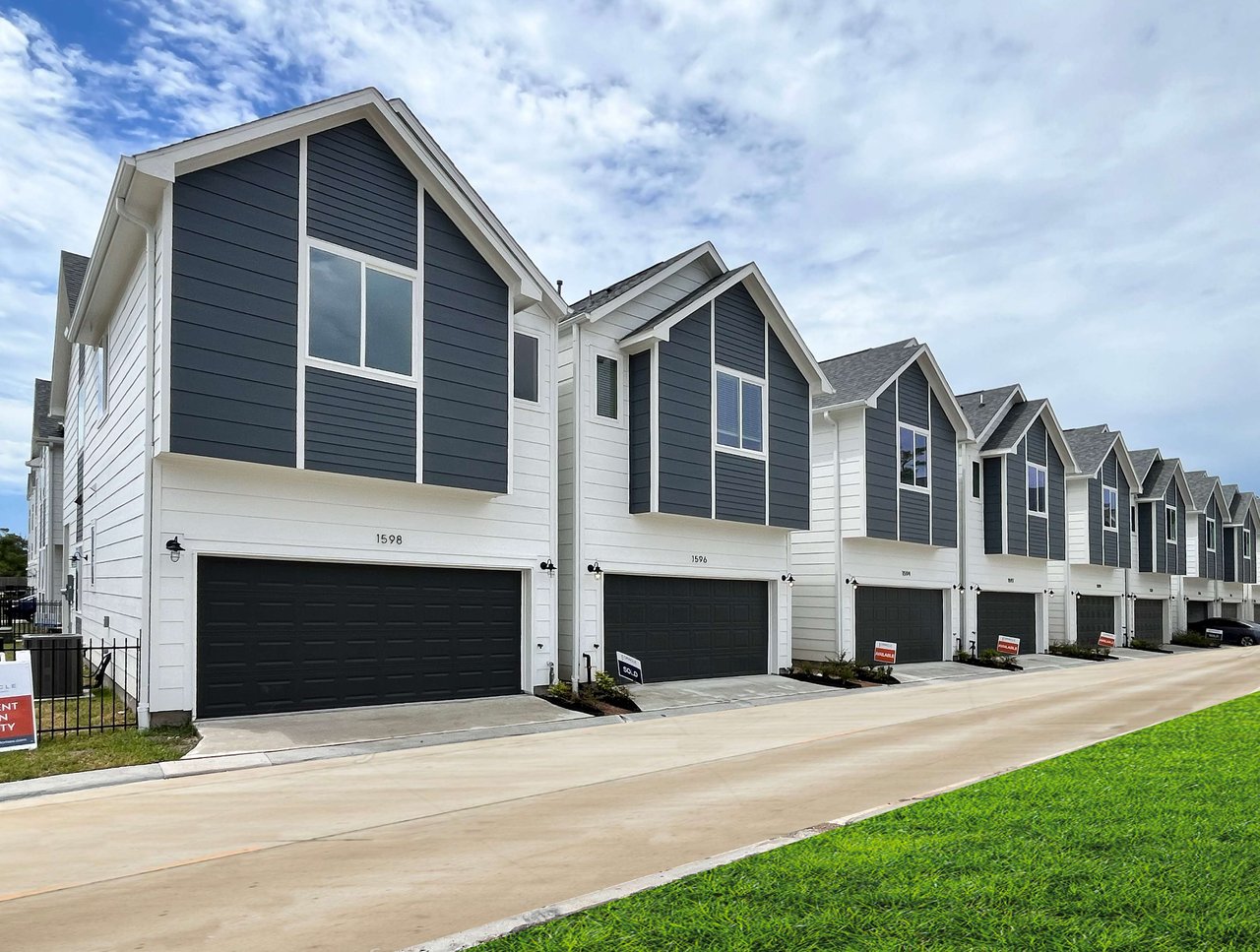
A pocket community is a small, planned cluster of new homes built together on one parcel or a few adjacent parcels. Homes share a cohesive design, and you’ll often see a small common green or landscaped courtyard. These projects are truly limited edition, ranging from a handful of residences to a few dozen. Most Houston examples are fee-simple single-family lots that you own outright; some are townhomes or small condo associations.
What you’ll see in Houston designs
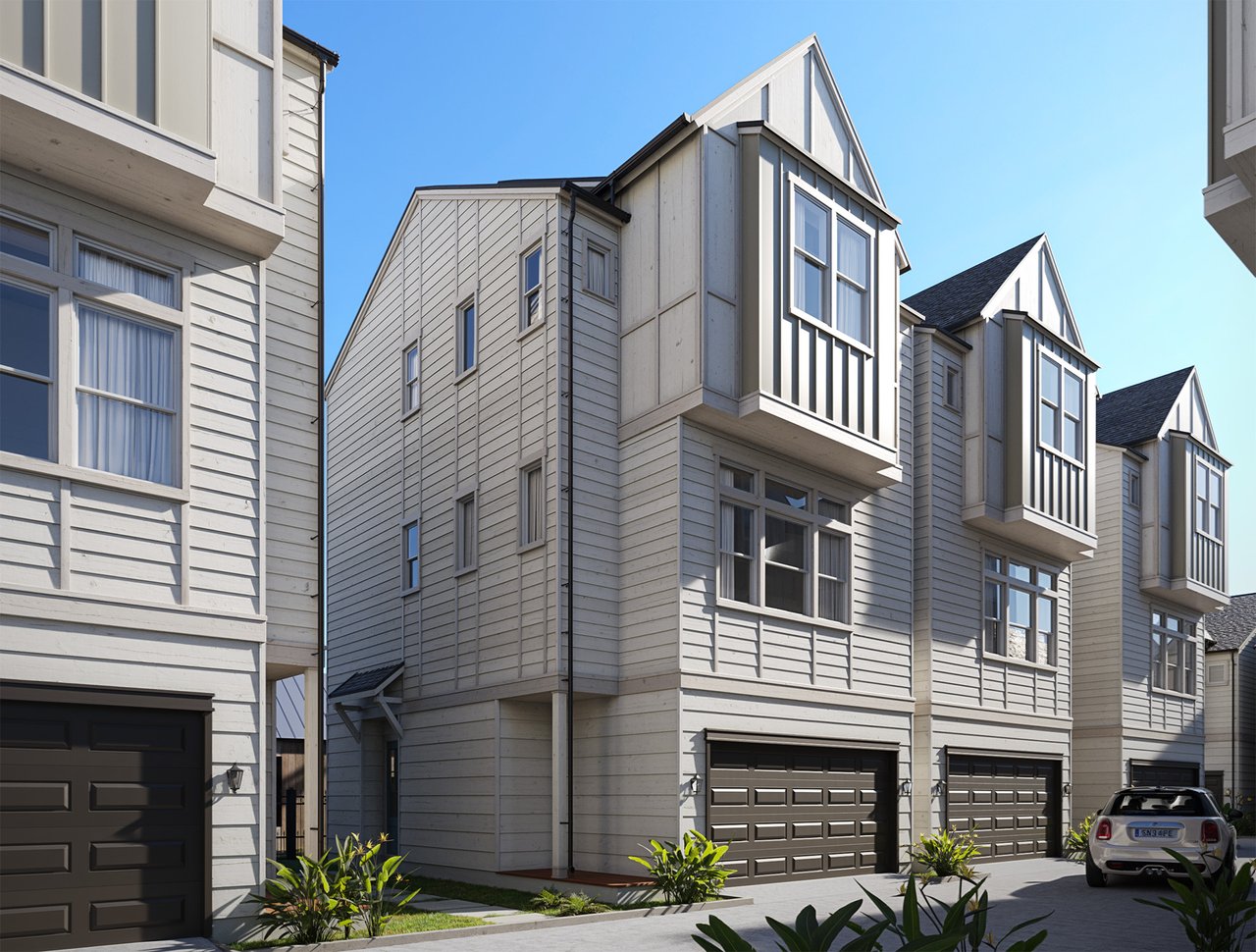
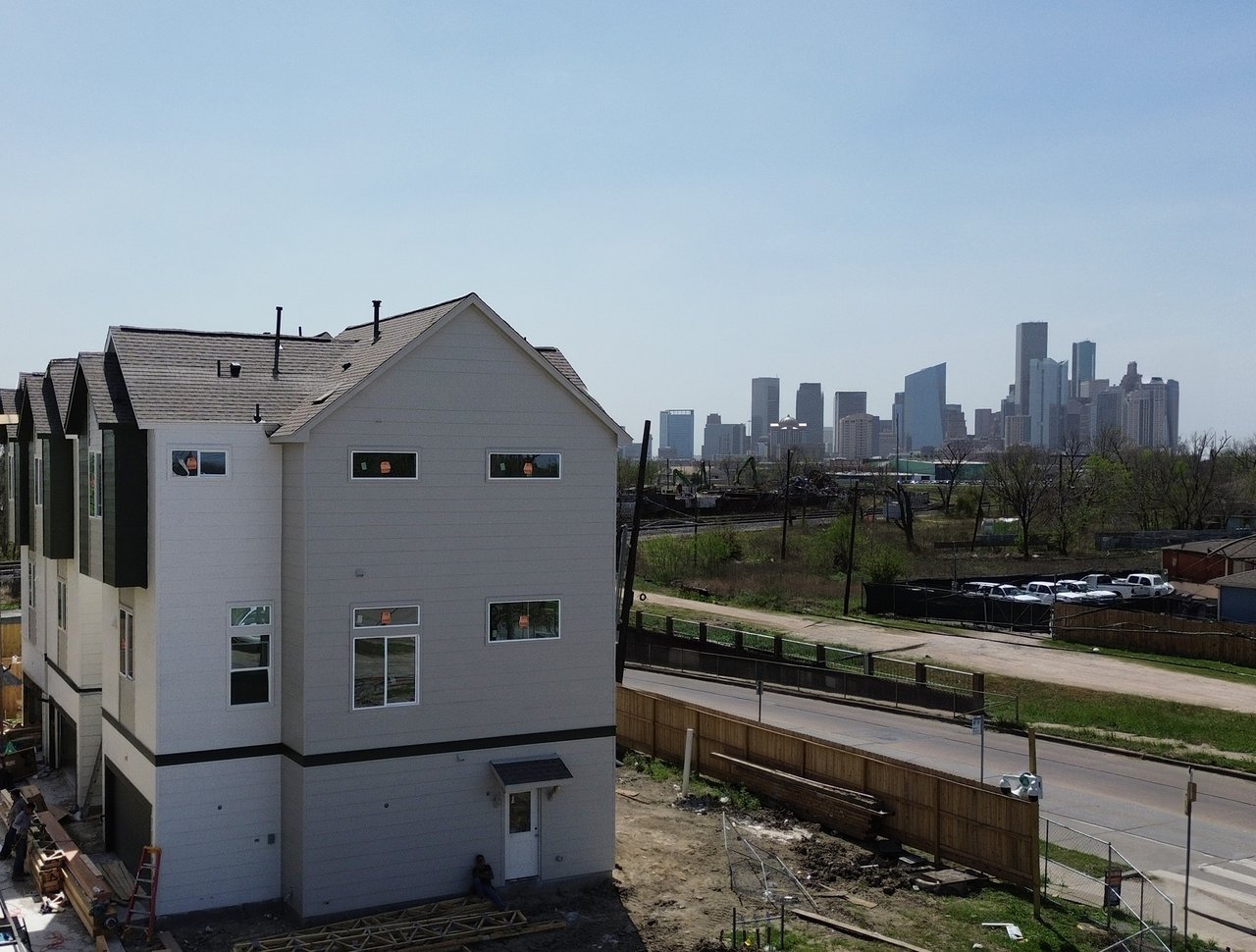
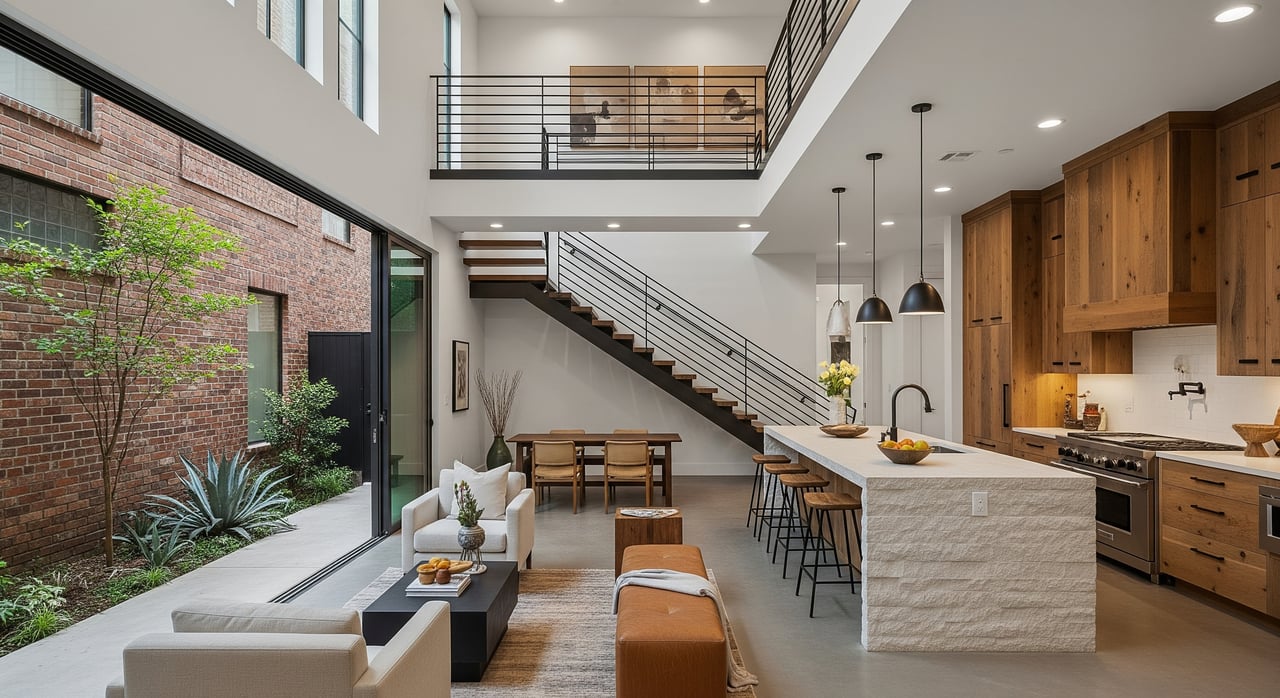
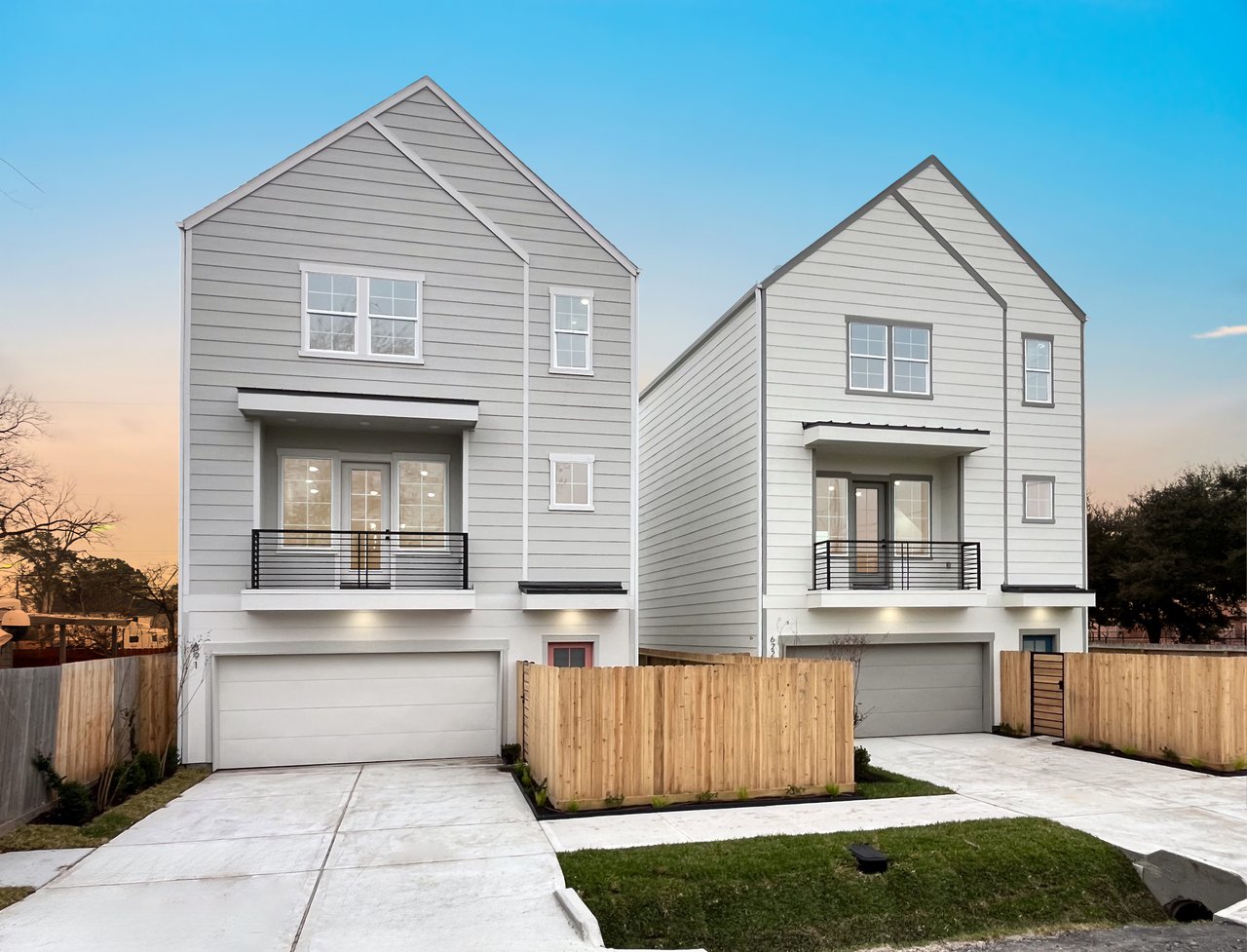
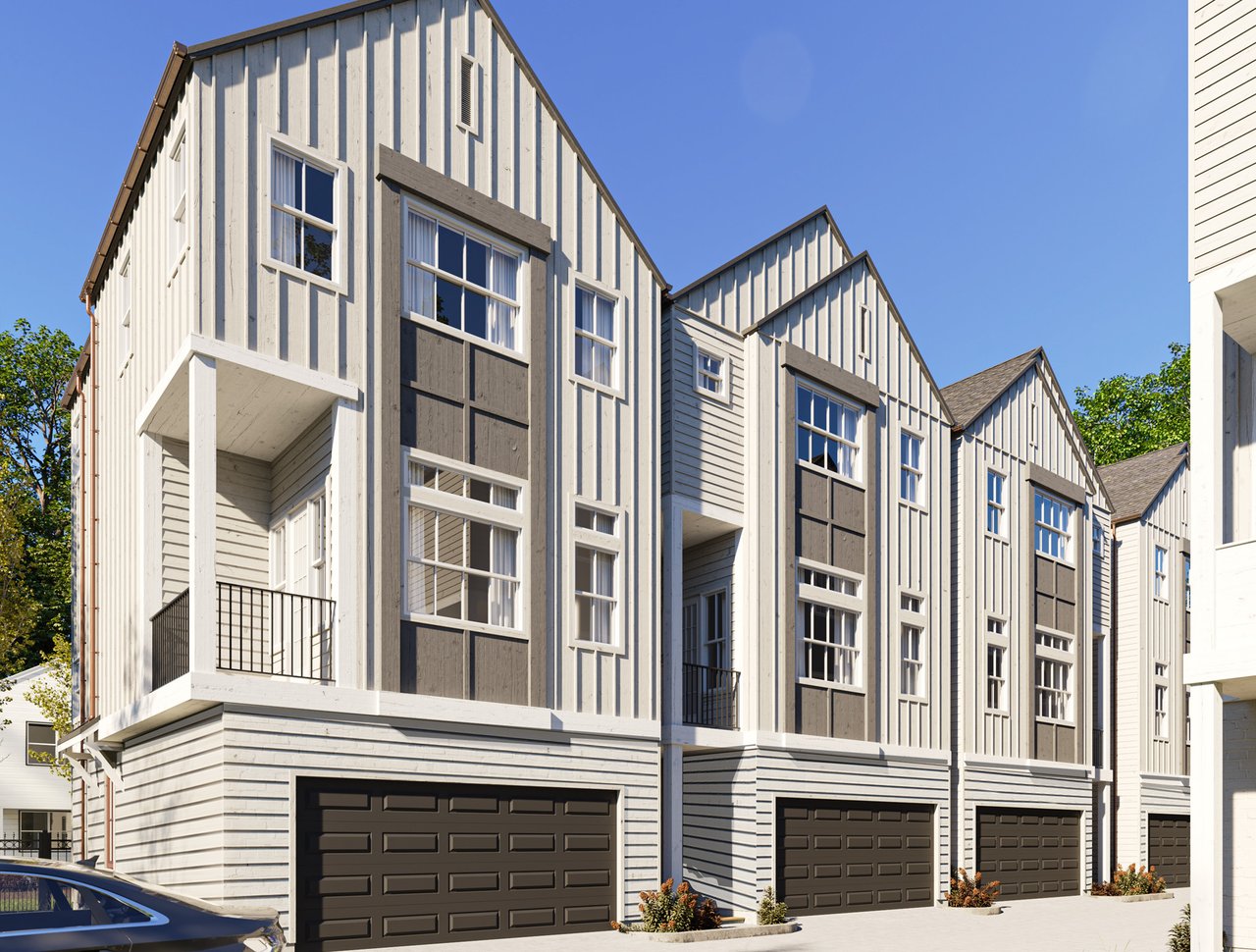
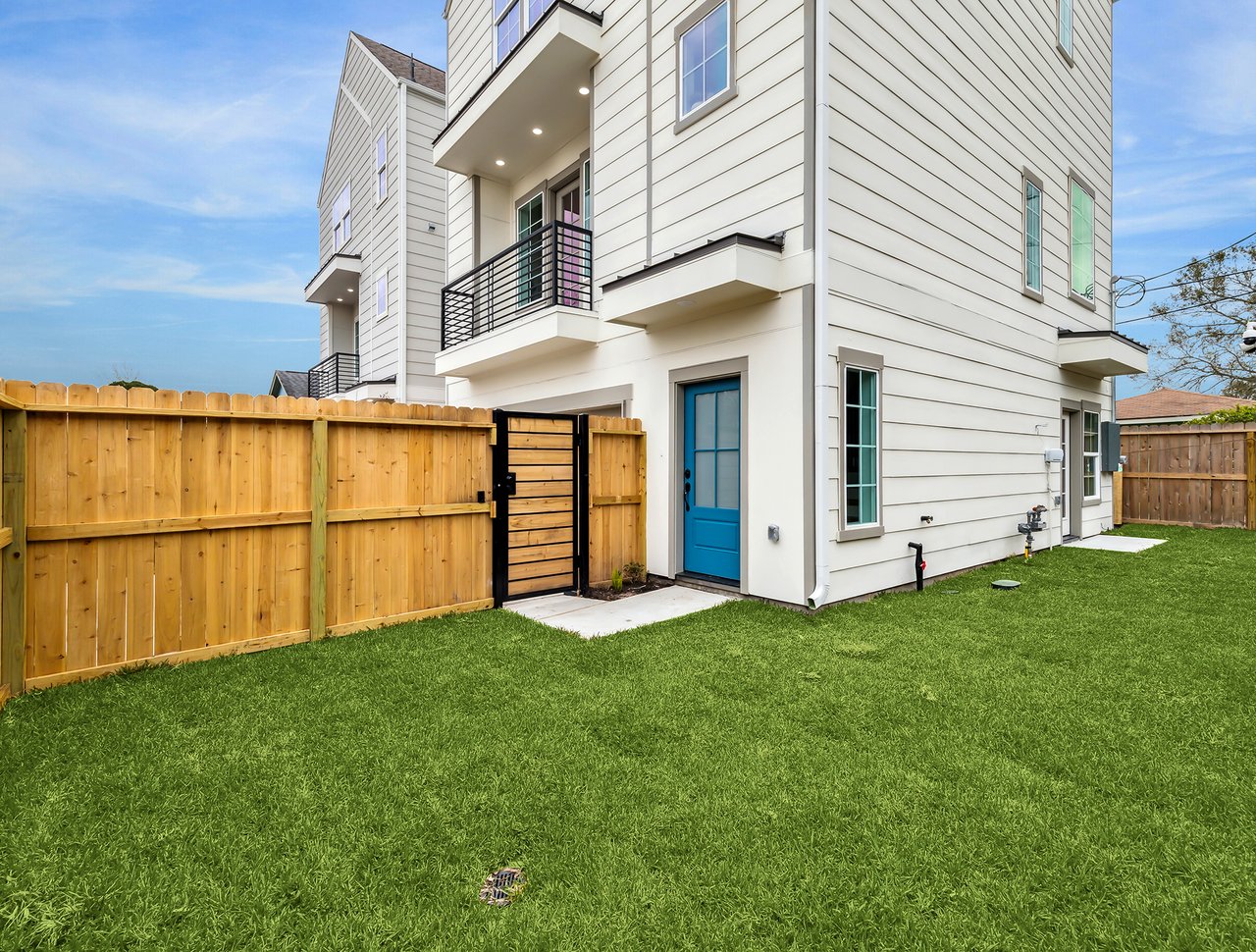
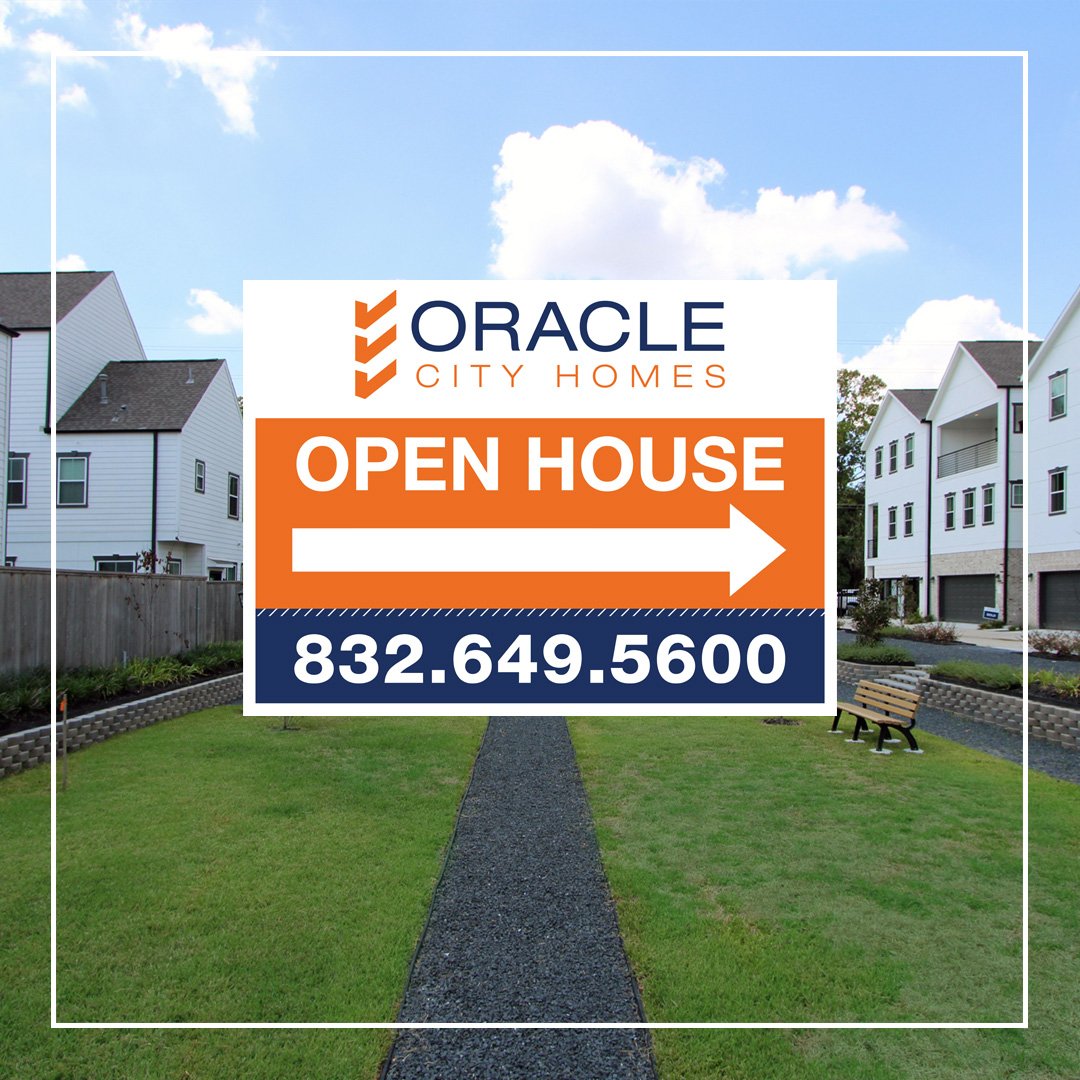
Pocket communities in Houston focus on modern, design-forward architecture and efficient use of space. Lots tend to be narrower than suburban subdivisions, often about 25 to 40 feet wide depending on the project. Smaller front setbacks and compact side yards help maximize interior square footage. You’ll commonly find:
- Rear garages or alley access to minimize curb cuts
- Front porches or small front yards that face a shared lane or green
- A modest landscaped courtyard or pocket park
- Moderate density that fits the neighborhood block scale
How pocket communities compare
Pocket vs master-planned neighborhoods
Pocket communities are small and build out quickly, often within months to a couple of years. Master-planned neighborhoods can span years or decades and include extensive amenities such as pools, large parks, and commercial areas. Governance also differs. Pocket communities may have a small HOA or light covenants to manage landscaping or a private drive. Master-planned neighborhoods usually have larger HOAs and formal community-wide rules.
Pocket vs single infill homes or small subdivisions
A single speculative infill home is a one-off build and may not match the surrounding streetscape. A pocket community offers a cohesive architectural palette and coordinated site plan. Compared with a conventional small subdivision, pocket communities can be created through lot splits or replats with existing city utilities, which keeps the scale intimate and well suited to urban blocks.
Why Independence Heights is a fit
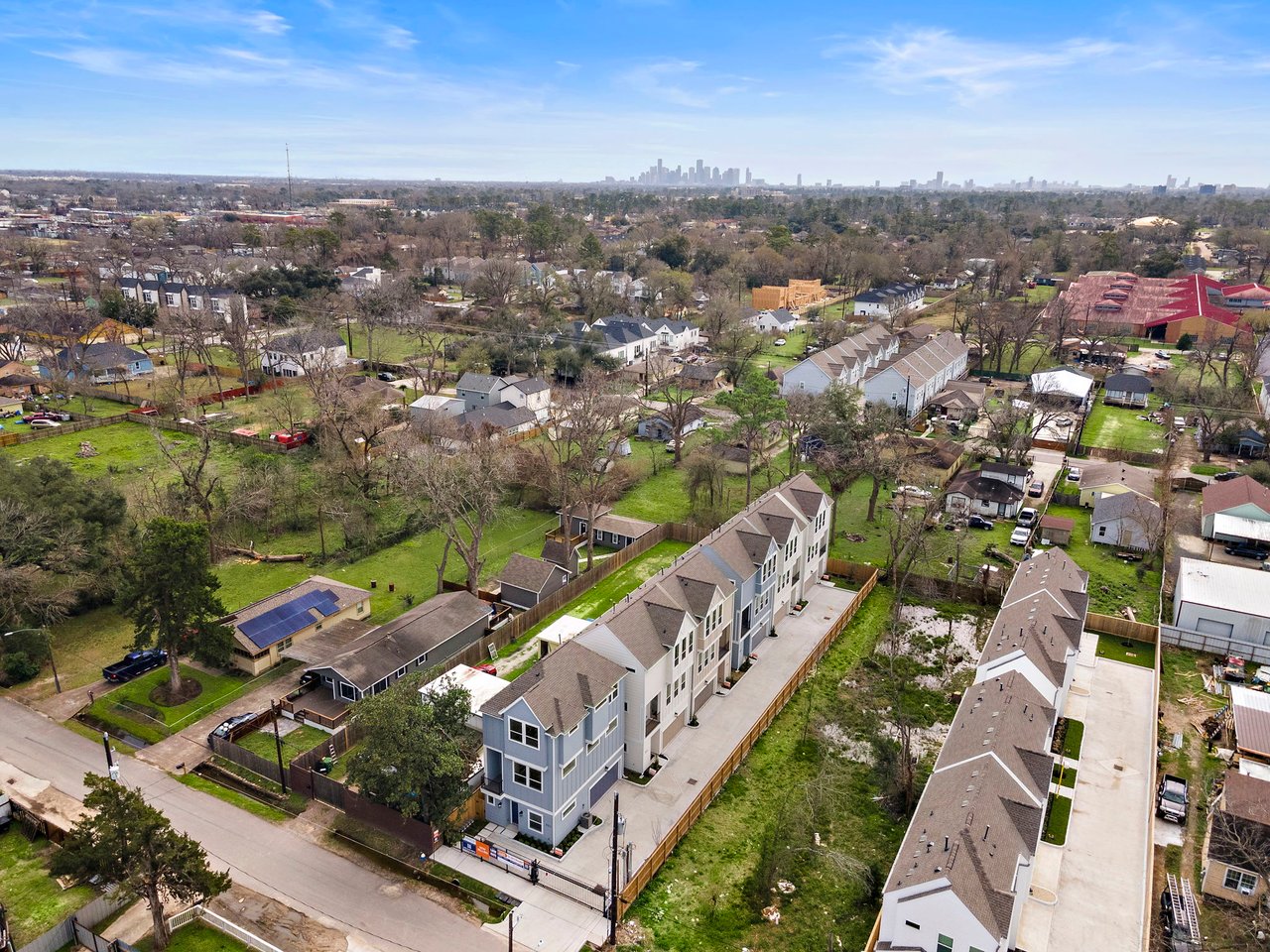
Independence Heights sits in Houston’s north-central infill corridor and offers quick access to major roadways and nearby employment centers. The neighborhood includes smaller parcels and a mix of older homes and newer construction, which makes it a natural location for limited-edition clusters. If you value proximity to the city, neighborhood character, and thoughtfully designed new homes, a pocket community in Independence Heights can check those boxes.
Key benefits for Houston buyers
- Close-in convenience: Shorter commutes and easy access to central Houston corridors compared with far-out suburbs.
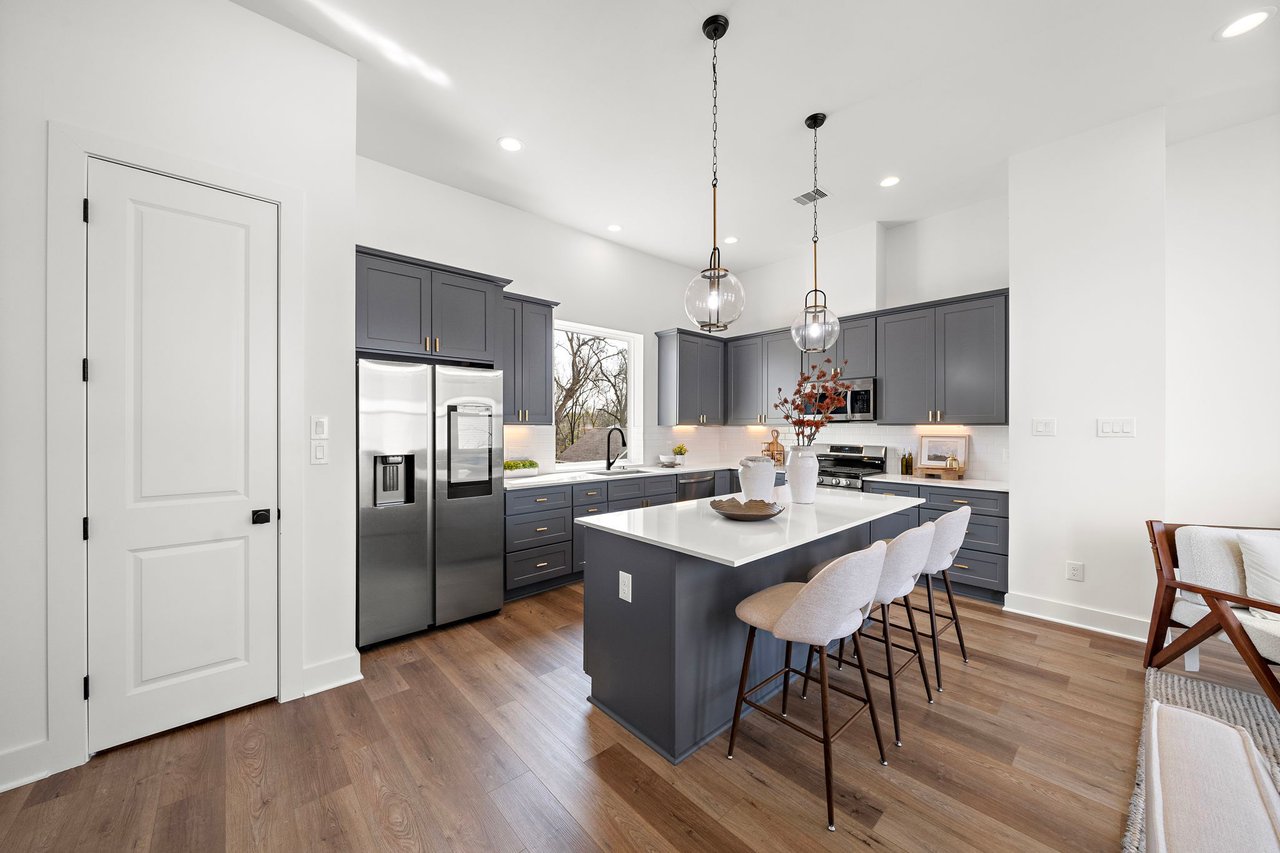
- Design cohesion: A developer-guided architectural palette creates a polished look and feel.
- Low maintenance: Smaller yards and, when applicable, HOA-supported landscaping reduce upkeep.
- Neighborly scale: You get an intimate enclave without the overhead of a large HOA ecosystem.
- Faster delivery: Projects build out on a shorter timeline, which helps if you want move-in-ready options.
Trade-offs to weigh
- Outdoor space: Smaller lot sizes mean less private yard area.
- Price per square foot: The design premium and close-in location can increase price per square foot, even when total price remains manageable for the area and finish level.
- Resale pool: Some buyers prefer traditional lot sizes, which can narrow the resale audience.
- Parking: Guest parking may be limited. Confirm how on-street parking and visitor spots are managed.
- Flood considerations: Inner-city parcels can carry flood risk. Always verify flood history, elevation certificates, and potential insurance costs.
Houston permitting, flood, and financing essentials
Pocket communities use Houston’s flexible infill framework, which encourages creative small-scale development while requiring proper platting and permits. As a buyer, you benefit when the development follows the right steps and documents them clearly.
- Platting and lot splits: Creating multiple lots on one property often requires a replat. Confirm that the development met City of Houston platting rules.
- Building permits: New homes must pass plan review and inspections through the Houston Permitting Center. Ask for proof of permits and final inspections for peace of mind.
- Historic or deed restrictions: If a property sits near historic resources or has recorded deed restrictions, exterior design and setbacks may be affected. Request any relevant approvals or letters.
- Floodplain and elevation: Check FEMA and local flood control resources, request an elevation certificate, and ask about finished floor elevation and any freeboard above the 100-year flood elevation. Get early flood insurance quotes if a lender requires coverage.
- Utilities and drainage: Developers connect to existing water, sewer, and storm systems. Ask about any offsite improvements or site-specific drainage features.
- Curb cuts and access: Rear alleys and shared lanes help reduce curb cuts on major streets. Confirm garage access, trash pickup routes, and guest parking rules.
- Financing and appraisal: Narrow lots or nonstandard floor plans can affect loan eligibility and appraisals. Work with a lender experienced in Houston infill and confirm if conventional, FHA, VA, or construction-to-permanent options fit your scenario.
- HOA and covenants: Small HOAs often handle shared landscaping, a gate, or a private lane. Review CC&Rs, dues, maintenance responsibilities, and special assessment rules.
Your on-site checklist in Independence Heights
Use this quick list to evaluate any pocket community you tour:
- Confirm ownership model: fee-simple lot, townhome, or condo. Review CC&Rs and HOA docs.
- Ask for a recorded plat or replat showing lot boundaries and access.
- Request the elevation certificate, flood disclosure, and any prior flood claims.
- Verify permits and final inspections for demolition, site work, and new construction.
- Confirm utilities: water and sewer taps, alley status, and curb cuts.
- Understand parking: garage size, driveway clearance, and any on-street restrictions.
- Discuss financing early with a lender who understands Houston infill and new builds.
- Walk the surrounding blocks to observe street character and nearby uses.
- Review recent sold comps for similar infill clusters in or near Independence Heights.
Timeline, pricing, and resale context
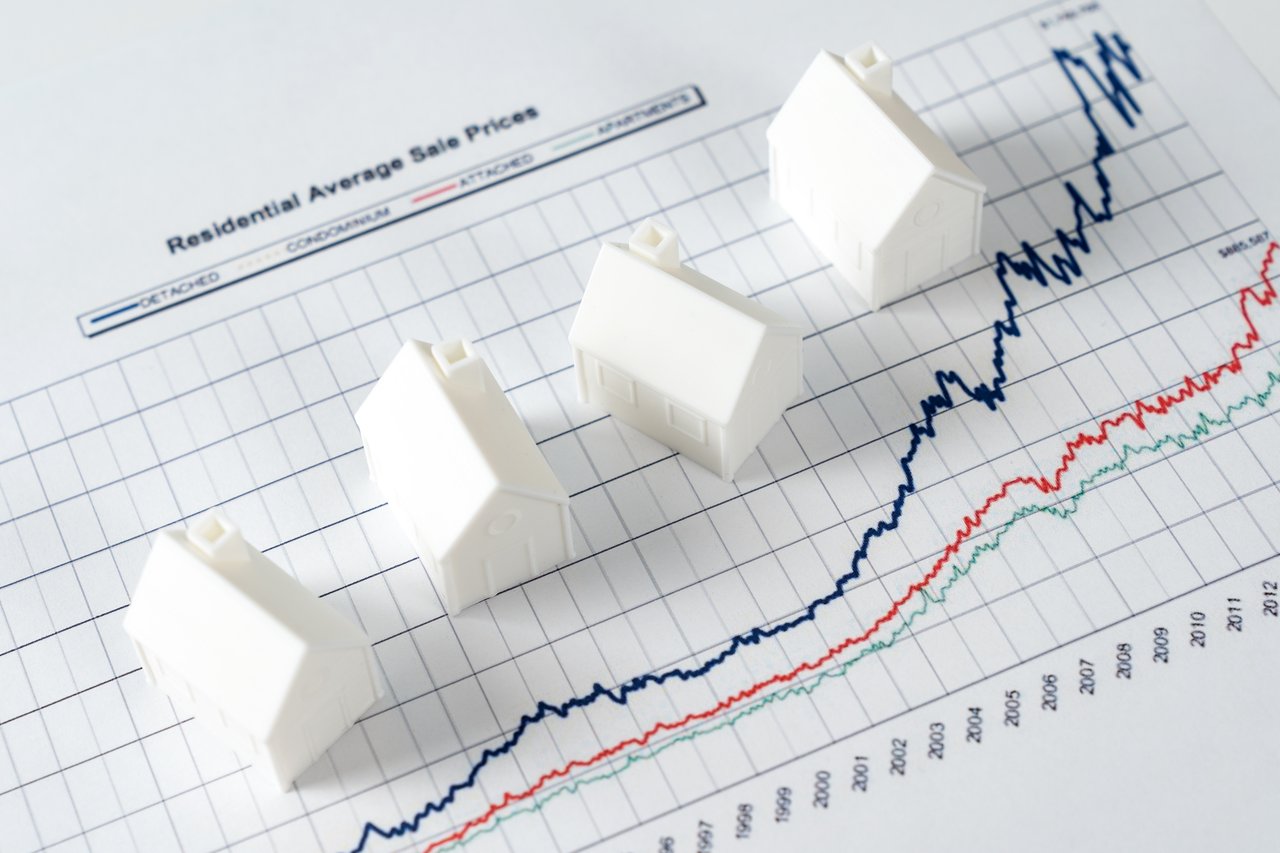
Because pocket communities are small, developers often deliver move-in-ready homes on a faster schedule than large master-planned projects. If homes are built as a group, you may benefit from multiple comparable sales within the same enclave, which can support the appraisal process. Keep in mind that design-forward urban homes can command higher price per square foot due to scarcity and location. When you plan for resale, your buyer pool will likely value the same things you do today: proximity, modern design, and low maintenance.
How Oracle City Homes fits your plan
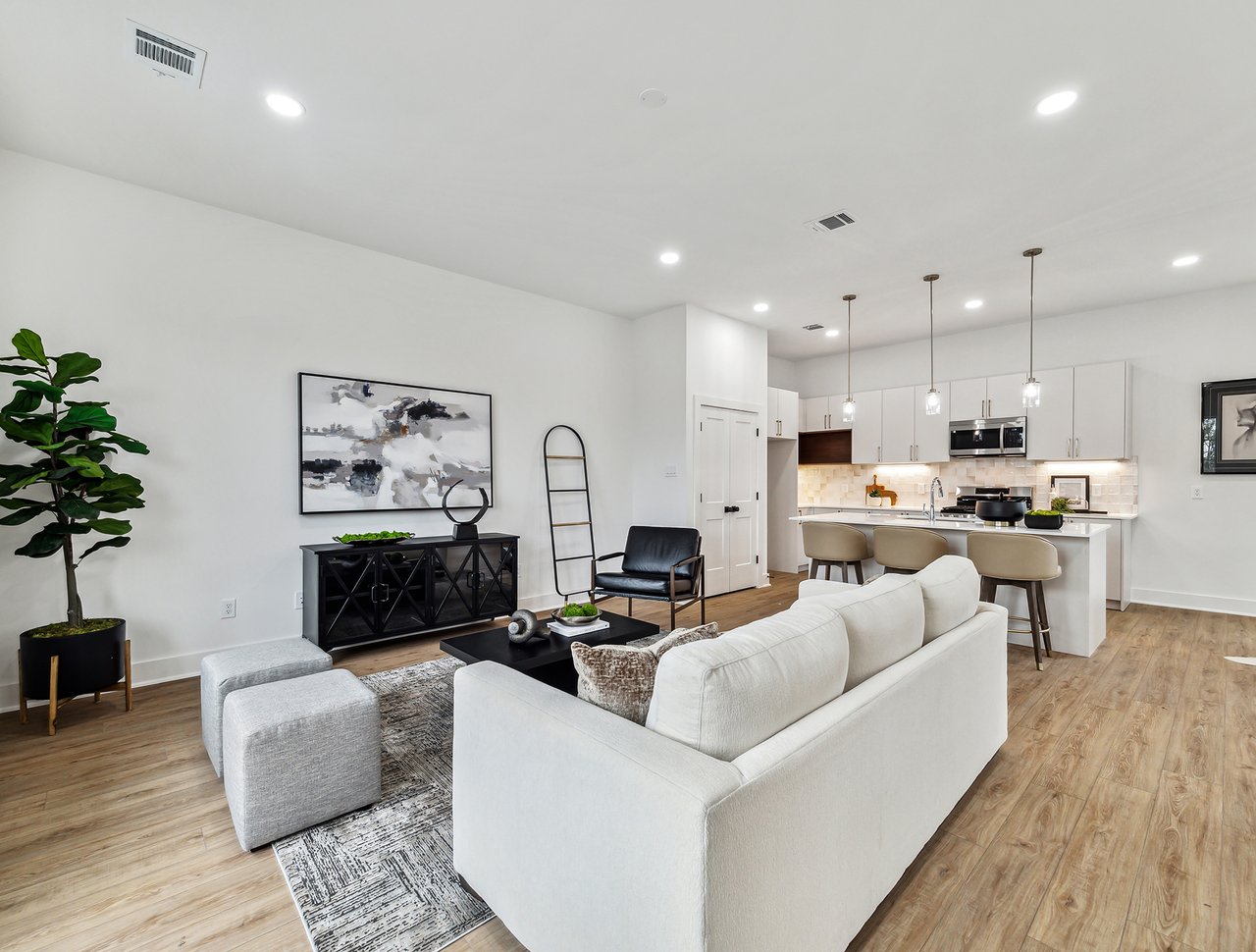
If you want the benefits of a pocket community without the complexity of a custom build, you’ll appreciate how Oracle City Homes approaches infill. The focus is on limited-edition, design-forward communities inside and near key Houston corridors, with a streamlined path to ownership. You can explore move-in-ready inventory, staged models, and 3D tours, plus buyer education through webinars and a Vlog or podcast. Buyer-friendly financing programs, including options like 100 percent financing and Build & Lock, help reduce friction. After closing, you have support through a homeowner warranty portal and clear post-close communication. It’s a balanced approach that pairs contemporary design with an efficient, confidence-building process.
Ready to see how a pocket community in Independence Heights could fit your lifestyle? Connect with the team at Oracle City Homes to explore available homes, financing pathways, and next steps.
FAQs
What is a pocket community in Houston?
- A pocket community is a small, design-coordinated cluster of homes built together on one site or a few adjoining parcels, often with limited common space and cohesive architecture.
How do pocket communities differ from master-planned neighborhoods?
- Pocket communities are smaller with faster buildout and lighter amenities, while master-planned neighborhoods are large-scale with extensive amenities and more robust HOA structures.
Are pocket community homes more expensive per square foot?
- They often carry a higher price per square foot due to design quality, location, and scarcity, though total price varies by home size and finishes.
Can I use a conventional or FHA/VA loan for these homes?
- Many buyers use conventional, FHA, or VA loans, but you should prequalify with a lender experienced in Houston infill to confirm options for the ownership type and lot configuration.
What should I check regarding flood risk in Independence Heights?
- Review FEMA maps, request the property’s elevation certificate, and ask about finished floor elevation and any prior flood claims; get flood insurance quotes early if required.
What is the typical ownership model in Houston pocket communities?
- Most are fee-simple single-family lots that you own outright; some are townhome or small condo structures with an HOA responsible for limited common areas.