Wondering which lender is the best fit for your new-construction home in EaDo? With construction timelines, rate locks, and builder incentives in the mix, picking a lender is more than just chasing the lowest rate. You want a smooth build, predictable payments, and clear terms that match your timeline. In this guide, you’ll learn how to compare lenders for new builds in East Downtown, what to ask, and how to avoid costly surprises. Let’s dive in.
Why lender choice matters for new builds
New-construction loans work differently than resale mortgages. Many lenders offer construction-to-permanent options that convert to a standard mortgage after closing, while others use a two-loan approach. Each choice affects closing costs, rate locks, and how you pay interest during the build.
Appraisals are also unique. For homes not yet complete, appraisers may rely on plans, specs, and cost approaches instead of recent sales alone. That can impact your cash-to-close if the appraisal differs from your contract price.
A lender experienced with urban infill projects and townhomes in EaDo can streamline draws, align rate-lock timing with milestones, and reduce last-minute surprises. Review how each lender handles construction draws, inspections, and appraisal methods for planned builds. For a deeper look at single-close programs, see the Fannie Mae construction-to-permanent overview.
Local checks for EaDo buyers
Flood risk and insurance
Parts of EaDo sit near Buffalo Bayou and may fall within FEMA Special Flood Hazard Areas. Lenders will order a flood determination, and if your lot is in a high-risk zone, flood insurance will be required, which affects your monthly payment and debt-to-income ratio. Verify status early using FEMA flood maps.
Permits and completion timing
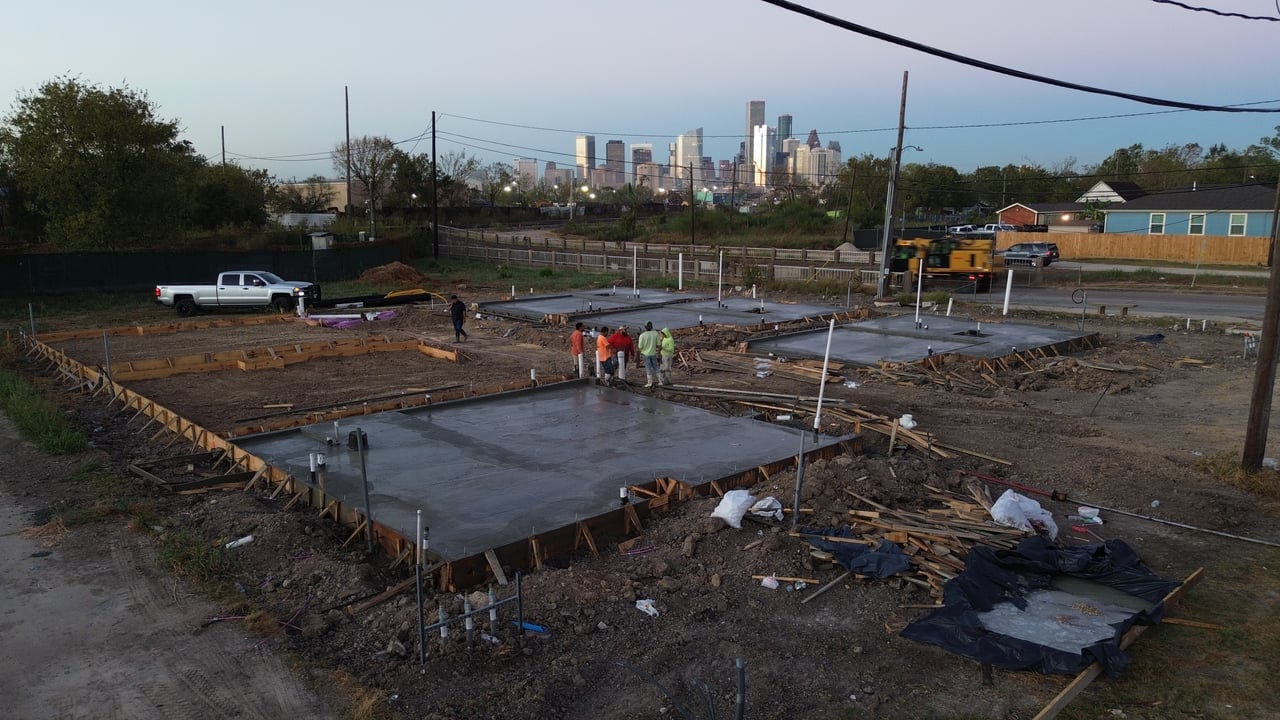
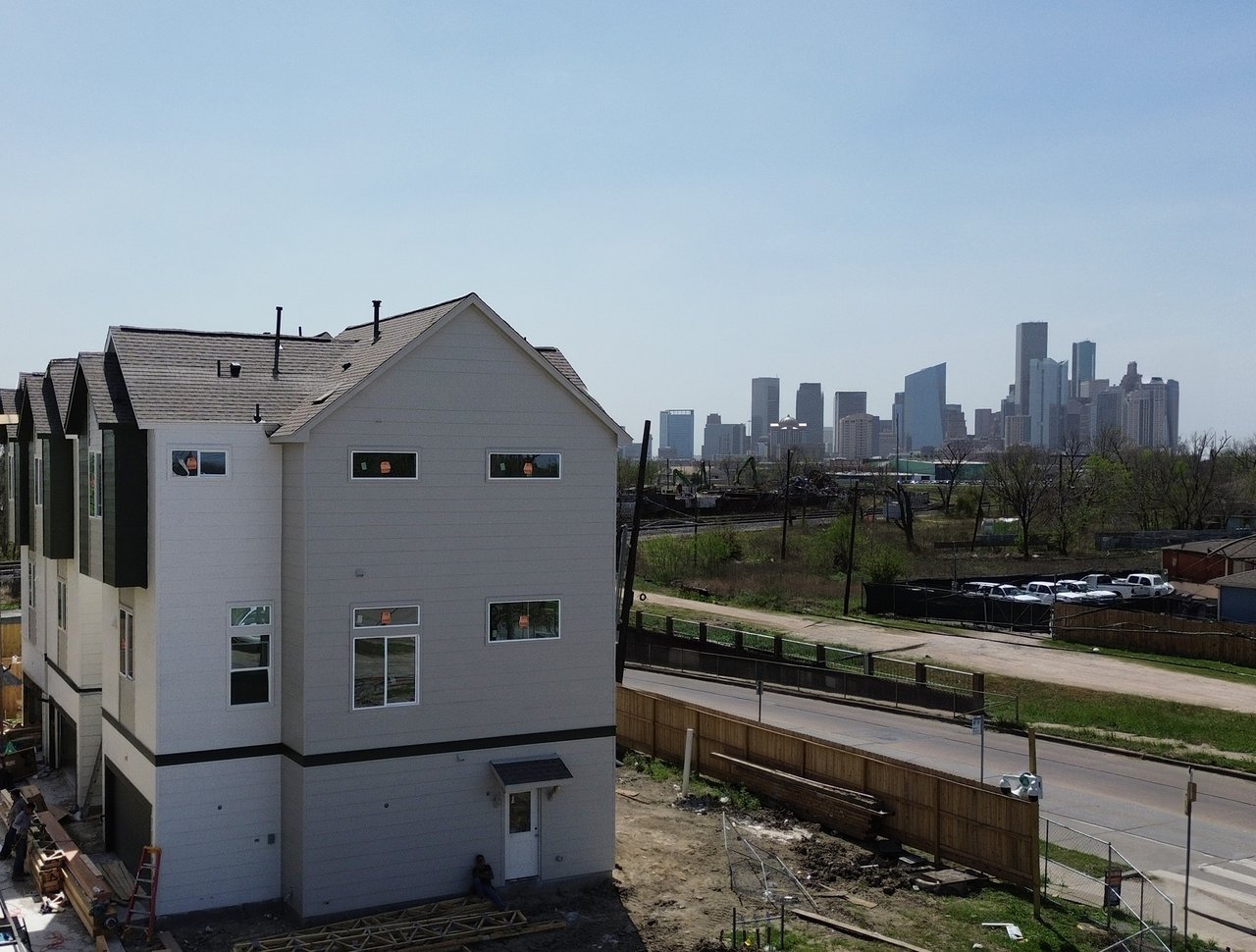
Houston permitting, inspections, and the certificate of occupancy can influence the build schedule. Delays can affect your rate lock and closing date. Ask your builder for an estimated timeline in writing and confirm how your lender handles lock extensions if timelines shift.
Taxes, HOA dues, and comps
Harris County property taxes and any HOA or maintenance fees will influence your monthly budget and underwriting. Request tax estimates and HOA documents from the builder. For pricing context and comps, review Houston Association of Realtors market data for current trends.
Loan options and down payment paths
Single-close vs two-close loans
- Construction-to-permanent (single close): One closing that converts to a permanent loan at completion. Benefits include one set of closing costs and often the ability to lock your permanent rate earlier. See the Fannie Mae construction-to-permanent overview.
- Construction-only (two-close): A short-term construction loan followed by a separate permanent mortgage. You may face two sets of closing costs and re-underwriting with the permanent loan.
Routes to low or zero down
- VA loans: Eligible veterans and active-duty borrowers can access 0% down, including on new construction when program rules are met. Review VA loan benefits.
- FHA with assistance: FHA’s minimum down payment is 3.5%, and some buyers pair FHA with down payment assistance. Review FHA guidance and check state programs below.
- USDA: Offers 0% down for eligible rural properties. EaDo is an urban neighborhood, so eligibility is unlikely. Learn about the program on the USDA Rural Development guaranteed loan page.
- State and local assistance: Texas buyers can explore grants and second-lien assistance through the Texas State Affordable Housing Corporation programs. Confirm whether specific DPA options are available for new construction.
Tradeoffs to watch
High-LTV programs often come with higher rates, mortgage insurance, or stricter guidelines. Compare APR, mortgage insurance cost, and total cash-to-close, not just the headline rate. Ask each lender for a written Loan Estimate to make a true side-by-side comparison.
Rate locks and interest during the build
A rate lock secures your interest rate for a set period. With new construction, you’ll choose when to lock, how long to lock, and whether you want a float-down option. The CFPB guide to rate locks explains how locks and fees work.
- Lock timing: Some lenders let you lock at approval for a single-close loan. Others lock later or offer a float-to-lock approach. Ask about lock lengths like 90, 120, or 180 days.
- Extension fees: If your build extends past the lock, you may pay an extension fee or accept a higher rate. Know the costs upfront.
- Float-downs: Some locks allow a one-time downward adjustment if rates fall before closing. Ask about eligibility and fees.
- Interest during construction: Most construction loans are interest-only on drawn amounts. Some lenders require an interest reserve collected at closing; others bill monthly. Clarify how your payments will work and whether reserves affect cash-to-close.
Incentives, preferred lenders, and disclosures
Builders often offer incentives, such as temporary or permanent rate buydowns, closing-cost credits, or upgrade allowances, sometimes tied to using a preferred lender. These can be valuable if the net savings outweigh any rate or fee differences.
If the builder has a relationship with a lender, you should receive an Affiliated Business Arrangement disclosure. Using a partner lender is typically optional. Always compare a Loan Estimate from the preferred lender with at least one independent option to confirm the best overall fit.
Approval steps and documents
Expect these stages:
- Pre-approval: Review of your credit, income, and assets. Strong pre-approvals often reference the specific plan and price.
- Conditional approval: Underwriting reviews your documents, the builder contract, plans, and timeline. Conditions remain until appraisal and title are cleared.
- Final approval and closing: After appraisal, title, insurance, and any remaining conditions are satisfied.
Typical documents include ID, recent pay stubs, W-2s, tax returns if needed, bank statements, and letters explaining large deposits. Property items include the executed construction contract, plans/specs, builder timeline, HOA docs, and insurance binders. If the property is in a FEMA Special Flood Hazard Area, a flood insurance binder will be required.
Appraisals for new builds may use the cost approach or comparable new construction. If value comes in below the contract price, you may need to bring cash or renegotiate. Lenders fund the build in draws at milestones, and each draw can require an inspection. Ask about inspection turnaround times and draw administration fees.
Lender comparison checklist
Rate lock and interest
- Do you offer construction-to-permanent loans, and when can I lock my permanent rate?
- What lock periods are available for new construction? What are the extension fees?
- Do you offer a float-down option? What does it cost?
- How is interest handled during construction? Is there an interest reserve?
- How do builder-paid buydowns or credits affect my rate and fees?
Approval, documentation, and underwriting
- What documents do you need now and before closing? How long is my pre-approval valid?
- Will my pre-approval convert to final approval if the schedule slips, or will you re-underwrite?
- What are your turnaround times for underwriting, draw inspections, and closing?
- Do you require anything additional from the builder, like financials or licensing details?
Appraisal, valuation, and draws
- How will you appraise a new EaDo townhome or single-family build? What happens if the appraisal is short?
- How many draws are typical, and how fast do you fund after inspection?
- Will there be holdbacks or completion escrows? Under what conditions are they released?
Fees, closing costs, and incentives
- Provide a Loan Estimate with rate, APR, points, lender fees, third-party fees, and total cash-to-close.
- If incentives require a preferred lender, specify them in writing and show the dollar value.
- Is there an affiliated-business relationship with the builder? Provide the AfBA disclosure.
- What seller or builder concessions are allowed, and how do they affect my loan limit?
Programs and 100% financing
- Which programs fit this purchase: conventional, FHA, VA, USDA, or portfolio? Is 100% financing available and under what conditions?
- Do you have experience closing VA or DPA-supported loans on new construction? What documentation is required?
- If I choose a different lender, do any builder incentives change?
Local and property specifics
- Will flood insurance be required for this lot, and how will you estimate it?
- What title insurance, survey, or endorsements do you require for new construction in Harris County?
- Do you need the HOA package before closing, and will dues be included in DTI?
How Oracle City Homes supports your financing decision
You should feel confident when you choose a lender. Oracle City Homes builds limited-edition, design-forward communities across central Houston and partners with experienced lenders to keep your process moving. Our partners are familiar with our plans and timelines, which can help reduce appraisal surprises, speed draw inspections, and align lock options with construction milestones.
We also offer buyer education, including webinars and on-demand content, so you understand your options clearly. If you are exploring lower down payment paths or rate protection, ask about our buyer-friendly programs such as 100% financing options and Build & Lock through our lending partners. We will connect you with experienced professionals and help you compare offers side by side.
Next steps
- Get pre-approved with two lenders, including the builder’s partner, and request written Loan Estimates.
- Confirm the build timeline, draw schedule, and rate-lock strategy that matches your expected completion date.
- Verify flood zone status, tax estimates, and HOA dues so your monthly budget is accurate.
Ready to walk a model, explore design options, and discuss financing timelines that work for you? Schedule a tour with Oracle City Homes.
FAQs
What makes new-construction lending in EaDo different?
- You’ll deal with construction draws, interest-only payments during the build, and appraisals based on plans/specs, so lender experience with urban infill projects matters.
How do rate locks work for a long build?
- Lenders offer different lock lengths, extensions, and float-downs; review the CFPB guide to rate locks and get any fees and policies in writing.
Can I buy new construction in EaDo with 0% down?
- VA loans can offer 0% down for eligible borrowers, while USDA is typically inapplicable for urban EaDo; FHA plus assistance or other programs may reduce cash needed.
Will I need flood insurance for an EaDo home?
- If the lot is in a FEMA Special Flood Hazard Area, lenders will require flood insurance; check FEMA flood maps early in the process.
Do I have to use the builder’s preferred lender?
- Using a partner lender is usually optional; request an Affiliated Business Arrangement disclosure and compare written Loan Estimates before deciding.
What documents should I prepare for approval?
- Expect ID, income and asset documents, the builder contract, plans/specs, HOA details, and insurance binders; keep everything current if timelines shift.